How to Rinse Indoor Coils Without Flooding the Pan
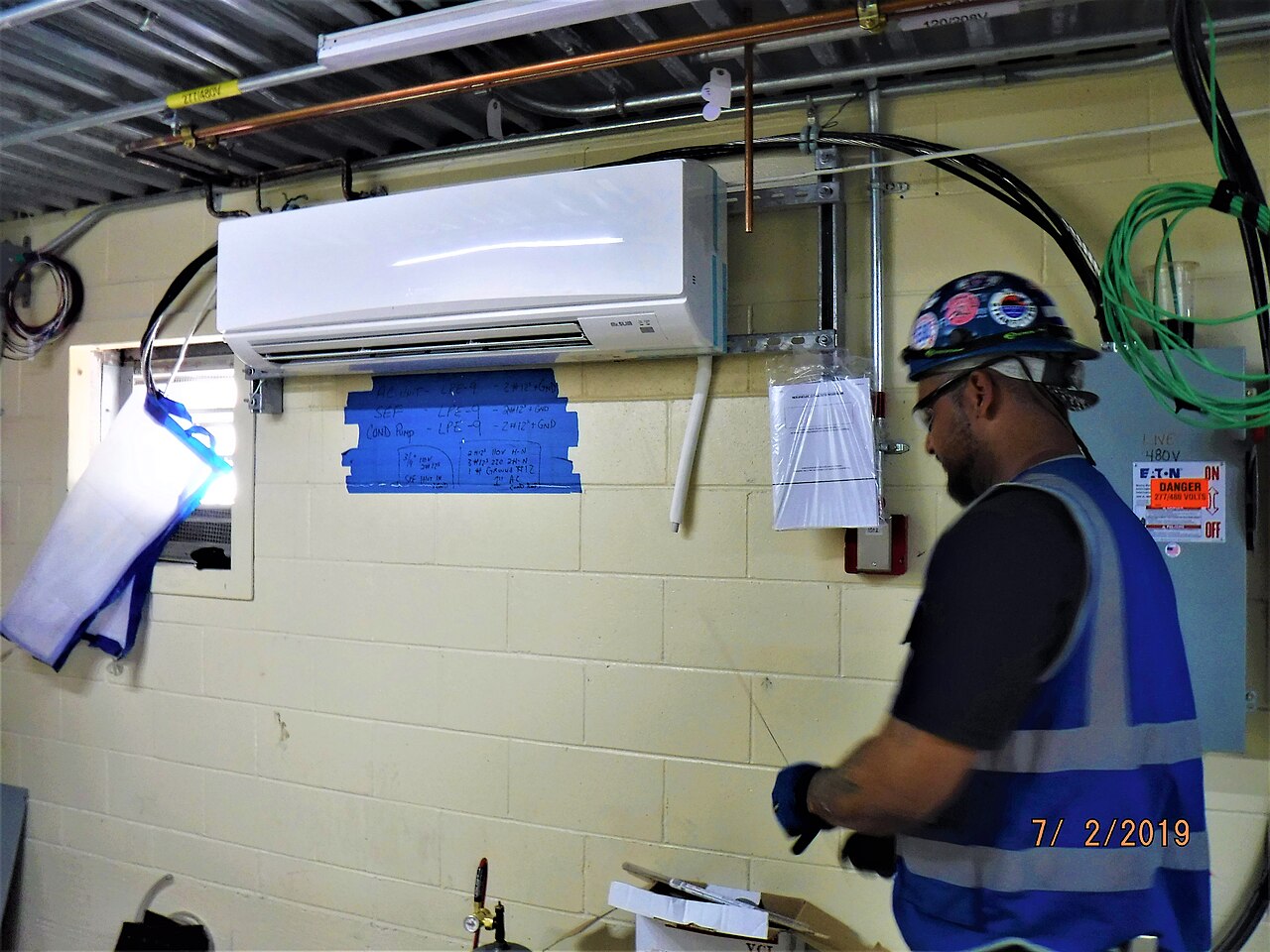
On a hot August afternoon in Aventura, in a condo tower off Biscayne Boulevard, the drain pan under an indoor coil sat full of dark, sludge-like water. The coil above it needed a rinse — and one careless pour would put that pan's water on the floor below. Cleaning the coil without flooding the pan is a water-volume problem, and it is solvable.
What is an indoor coil and why does it need rinsing?
The indoor coil, also known as the evaporator coil, sits inside the air handler and absorbs heat from the indoor air. Over time dust, pollen, and debris build up on its fins, reducing airflow and forcing the compressor to work harder. A buildup makes rooms cool unevenly and stretches out run times, because the blower is pushing air through a matted filter of dust. Rinsing the coil restores airflow and lets the system cool the way it should.
How can I avoid flooding the drain pan while rinsing?
Flooding the pan is a common problem because people bring in too much water at once. The pan under an indoor coil is shallow, and everything you spray has to leave through one drain line, usually a 3/4-inch PVC pipe. That line carries a slow trickle happily and a bucket pour not at all. Keep the pan clear:
- Test the drain before you spray anything. Pour one cup of water into the pan and time it. It should disappear down the drain in well under a minute. If it sits there, clear the drain line first (see below) — rinsing into a clogged pan is how floors get wet.
- Use a spray bottle or a 1-gallon pump sprayer. A standard spray bottle holds about a quart. Work in passes of a few ounces, top to bottom, and let each pass drain before the next.
- Park a wet-dry vacuum at the pan. If the water level starts climbing while you work, stop spraying and vacuum the pan out. The float switch — a small puck or clip on the pan's edge — will shut the system off if the pan fills, but treat that as a warning you already went too far, not as a safety net.
- Never tilt or lift the air handler. It is screwed, strapped, and piped in place, and the pan already slopes toward its drain. Volume control is the whole technique — not angle.
What tools do I need for a safe rinse?
- Spray bottle or 1-gallon pump sprayer (water only — the hose stays outside)
- Microfiber towels or lint‑free cloths
- Wet‑dry shop vacuum (optional but helpful)
- Gloves and safety glasses to protect against splashes
Step‑by‑step: how to rinse the coil without flooding
- Kill the power at the breaker. Set the thermostat to OFF, then flip the air handler's breaker. A blower that starts while your hands are in the cabinet is a real hazard, and the thermostat alone is not a guarantee it stays off.
- Remove the front panel. Use a flathead screwdriver to take off the panel that covers the coil. Keep the screws in a small container to avoid losing them.
- Spray the fins. Fill the spray bottle with tap water. Hold it a few inches from the coil and wet the fins in a thin layer, working top to bottom in short passes. Let each pass drain into the pan before the next one.
- Watch the pan, not the clock. After each pass, look at the pan. The water level should be falling, not rising. If it rises, stop, vacuum the pan, and find out why the drain is slow before you spray again.
- Wipe excess water. Pat the fins with a microfiber towel, focusing on the tops where water pools.
- Vacuum any remaining water. Run the wet-dry vacuum at the pan and coil base, nozzle a few inches from the fins.
- Reinstall the panel. Replace the front panel and screw it back in place. Make sure the seal is tight so the unit stays sealed.
- Turn the unit back on. Switch the furnace or air handler back to ON. Check the fan speed and listen for any unusual noises. The unit should run quietly if the coil is clean.
Should I use a cleaning solution with the water?
Most coil cleaning solutions are designed for evaporator coils and contain mild detergents that help lift stubborn grime. However, if you’re only rinsing to remove dust, plain water is sufficient. If you decide to use a cleaner, mix and use it exactly as its label directs — coil cleaners are not interchangeable. Always rinse the coil afterward with plain water to remove any residual cleaner that could irritate the system.
What if the water still ends up in the pan?
If water still accumulates after a clean drain test, work this list:
- Check the drain line for debris. A simple pipe cleaner or a long flexible brush can clear clogs.
- Inspect the pan for cracks. A cracked pan will need replacement.
- Use a wet‑dry vacuum at the drain vent to suck up any standing water.
When is it time to get a professional instead of DIY?
- Water reaches the floor or the ceiling below stains, despite small passes and a clear drain.
- The pan is cracked, rusted through, or sagging so it no longer slopes to the drain.
- The coil is matted deep between the fins, not just dusty on the face — that level of buildup needs the coil pulled or a foaming deep clean.
- You find dark growth on the insulation liner inside the cabinet, or the musty smell survives a clean coil.
Before you decide the rinse worked, watch the job done start to finish:
What the video shows
Maciej Piotrowski walks through cleaning dirty AC evaporator coils as a DIY job — getting to the indoor coil, clearing the buildup off it, and washing it down so a dirty coil cools properly again. Compare his coil before and after with the one in your cabinet: the dark, felted layer he removes is the same layer that slows your drain and feeds musty smells. His rinse works because the water stays controlled and the runoff has somewhere to go — the same two rules this guide is built on. If your pan test failed, fix the drain before you copy any of his spraying.
When to call us
DIY is great, but some jobs need a pro. If the problem persists, you spot anything dangerous, or you'd rather have an expert handle it, call (786) 664-2155 — Aventura HVAC Maintenance serves Aventura and nearby (Mon-Sat 8AM-8PM). No pressure, no upsells.
Need a professional touch?
Straightforward HVAC service with flat, honest pricing — quoted before any work begins.
No review discounts · no upsells.