Programmable vs. Smart: Which Thermostat Pays Off
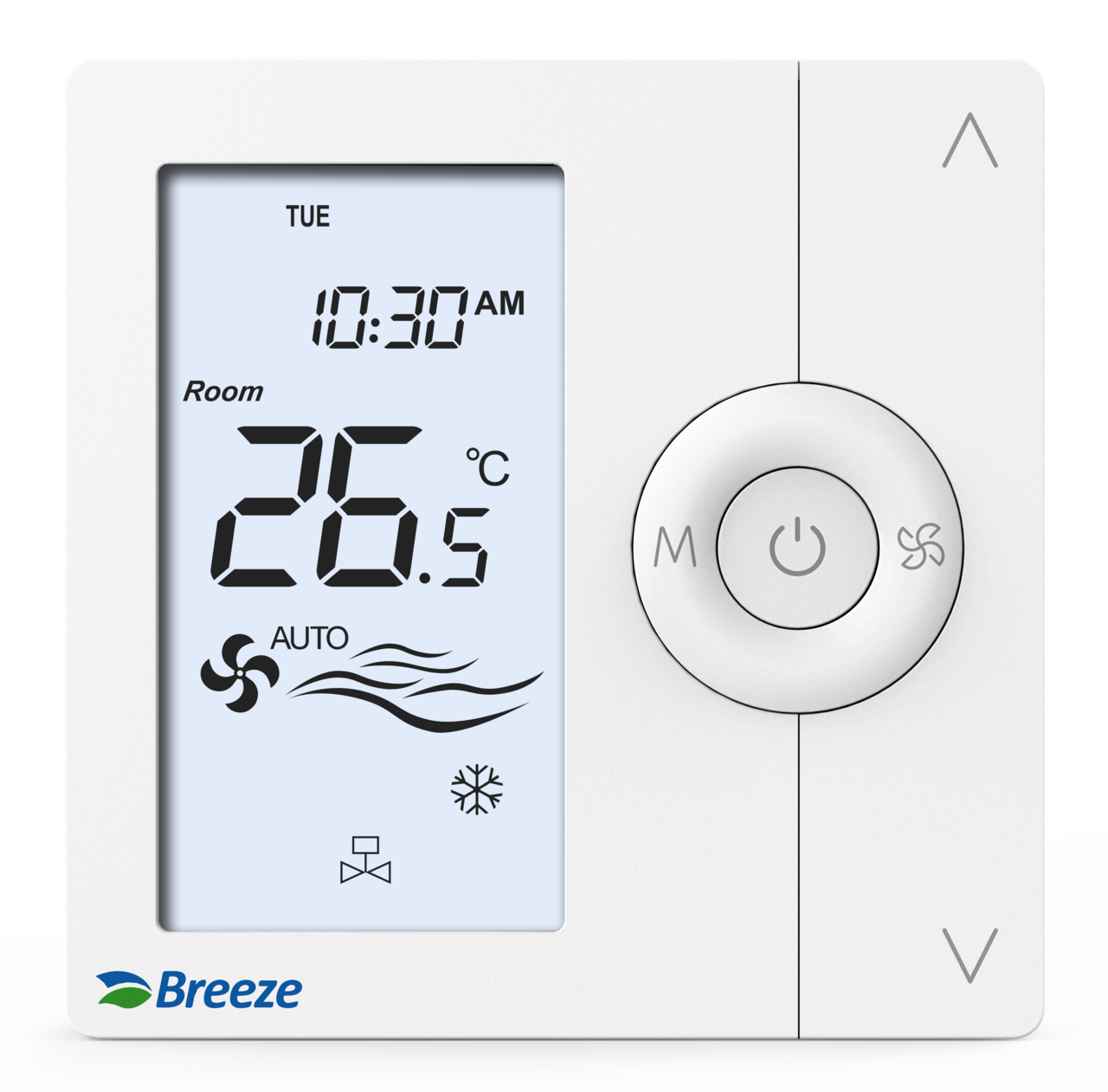
On a humid Tuesday in Aventura, the sun is already beating down on the pavement near the Aventura Mall. You’re walking past the coffee shop on 82nd Street, and the air conditioner in the building is struggling—its fan whirs, but the cool air barely reaches the glass doors. Inside, the thermostat’s display flickers between 73°F and 68°F, but you’re not sure if it’s actually keeping the room comfortable.
What’s the real difference between a programmable and a smart thermostat?
A programmable thermostat is a simple timer. You set it to kick on at 6 a.m., turn down at 9 a.m., and back up at 5 p.m. It does not know when you’re home or away; it just follows the clock you wrote in. A smart thermostat, on the other hand, has a tiny computer inside that can connect to Wi‑Fi. It can read your phone’s location, track weather forecasts, and learn patterns from your daily routine. The result is a thermostat that can change temperatures without you having to touch it.
Do smart thermostats really pay off in a place like Aventura?
Yes, they do. South Florida’s heat can reach 90°F+ in summer, and the humidity makes the air feel heavier. That means your air conditioner has to work harder than in a cooler region. A smart thermostat can keep the temperature at a consistent 72°F when you’re at home, then drop it to 78°F while you’re away, saving energy on the average 7.5 kWh per day that a programmable model would still run at 74°F. Over a year, that adds up to the $100–$150 savings mentioned earlier.
How do I know if my current thermostat is programmable or smart?
Look at the display. A programmable model usually has a simple numeric keypad and a small clock screen. A smart thermostat will have a larger touchscreen, Wi‑Fi light, and often a brand logo (but we don’t mention brands). If you can connect it to an app on your phone, it’s smart. If it only lets you set a schedule, it’s programmable.
What are the key features that make a smart thermostat smarter?
- Connectivity: Wi‑Fi lets the thermostat pull in local weather data and your phone’s GPS.
- Learning: Over a few weeks it records when you’re home, when you sleep, and what temperatures you prefer.
- Remote control: You can change the setting from your phone even when you’re on a beach trip.
- Energy reports: The app shows how much energy you used and how much you could save.
Programmable thermostats lack all of those extras. They can’t react to sudden weather changes or to you arriving home early. That’s why they’re only half as good at saving energy.
How do I install a smart thermostat if I’m on a budget?
Most smart thermostats are “bolt‑on” for standard HVAC systems. You turn off the power at the breaker, remove the old thermostat, and plug the new one in. The wiring is the same—two “R” and two “W” wires for heating and cooling. If your system has a “C” wire for constant power, you’re good; if not, you can use a power extender kit, which is an extra $20–$30. The whole process takes about 20 minutes, and you can do it yourself if you’re comfortable with a screwdriver.
What does a professional install do that a DIY installation might miss?
Technicians double‑check the wiring, calibrate the temperature sensor, and run a diagnostic test on the HVAC system. They’ll also set up the Wi‑Fi network on the thermostat’s firmware, ensuring it stays connected even if your phone’s network changes. A DIY install might skip the calibration step, leading to a thermostat that reads 1–2 °F higher than the actual room temperature.
Will a smart thermostat work with my old HVAC system?
Most smart thermostats support HVAC units that are 24‑V and have a “C” wire. Older models that lack a “C” wire might need a Power Extender Kit. If your system is a true vintage model that only has two wires for heating and cooling, you’ll need a professional to install a separate “C” wire or a compatible thermostat that can operate without it.
When should I choose a programmable thermostat over a smart one?
If you’re on a tight budget and don’t mind manually setting the schedule, a programmable thermostat is a decent choice. It will save you a few dollars a year, but it can’t match the flexibility of a smart unit in a place where the weather changes quickly, like Aventura’s afternoon thunderstorms. If you’re comfortable with a small upfront cost—$200–$250 for a smart thermostat plus installation—it’s worth the extra savings and convenience.
What are the maintenance costs for each type?
Both thermostat types require minimal maintenance. They don’t have moving parts, so there’s no wear and tear. The only upkeep is to update the firmware (smart) or replace batteries if you have a battery‑powered model (programmable). In both cases, the cost is negligible, usually less than $10 a year for a software update or battery replacement.
Can I use a smart thermostat to control more than just the AC?
Yes. Many smart thermostats can control heating, cooling, and even fans. Some models can integrate with smart vents or home automation systems. In Aventura’s humid climate, controlling the fan to run during the night can keep the room dry and comfortable without raising the temperature.
This video walks you through the step‑by‑step process of installing a smart thermostat on a standard 24‑V HVAC system. It starts by showing how to identify the wiring at the thermostat base, then demonstrates how to connect the new thermostat, and finally walks through the initial setup on the device’s touchscreen. The video also covers how to connect the thermostat to your home Wi‑Fi network and how to use the companion app to create schedules and view energy usage reports. The key takeaway is that the whole process can be completed in about 30 minutes with basic tools, making it a practical DIY project for most homeowners.
What are the most common mistakes homeowners make when setting up a smart thermostat?
1. Ignoring the “C” wire: Without constant power, the thermostat may drain its battery or fail to function. 2. Keeping the old thermostat’s schedule: A smart unit is best when you let it learn your habits, not when you copy a preset schedule. 3. Not checking the accuracy: After setup, test the reading by comparing it to a separate thermometer. A discrepancy of more than 1 °F indicates a sensor error.
Will a smart thermostat help with the high humidity in Aventura?
Indirectly, yes. By keeping the temperature consistent, the HVAC system runs for shorter periods, reducing the amount of moisture it introduces into the air. Some smart thermostats also have humidity sensors that can trigger the air conditioner to cycle off when humidity drops below a set threshold, preventing excess moisture build‑up.
What’s the typical payback period for a smart thermostat in Aventura?
For a typical 2,000‑sq‑ft home, the upfront cost of a smart thermostat ($200–$250) plus installation ($0 if DIY) is offset by the annual savings of $100–$150 within 1.5 to 2 years. After that, it’s pure savings.
When should I call Aventura HVAC Maintenance for help?
Call us when you notice any of the following: a sudden drop in cooling performance, an error code on the thermostat, or if your HVAC system makes unusual noises after installing a new thermostat. We’re open Monday through Saturday from 8 AM to 8 PM to help you keep your home comfortable and your energy bills low. (786) 664-2155 – Aventura HVAC Maintenance, serving Aventura and nearby neighborhoods.
Need a professional touch?
Straightforward HVAC service with flat, honest pricing — quoted before any work begins.
No review discounts · no upsells.