Blog
Tripped AC Breaker? Safe Reset Steps
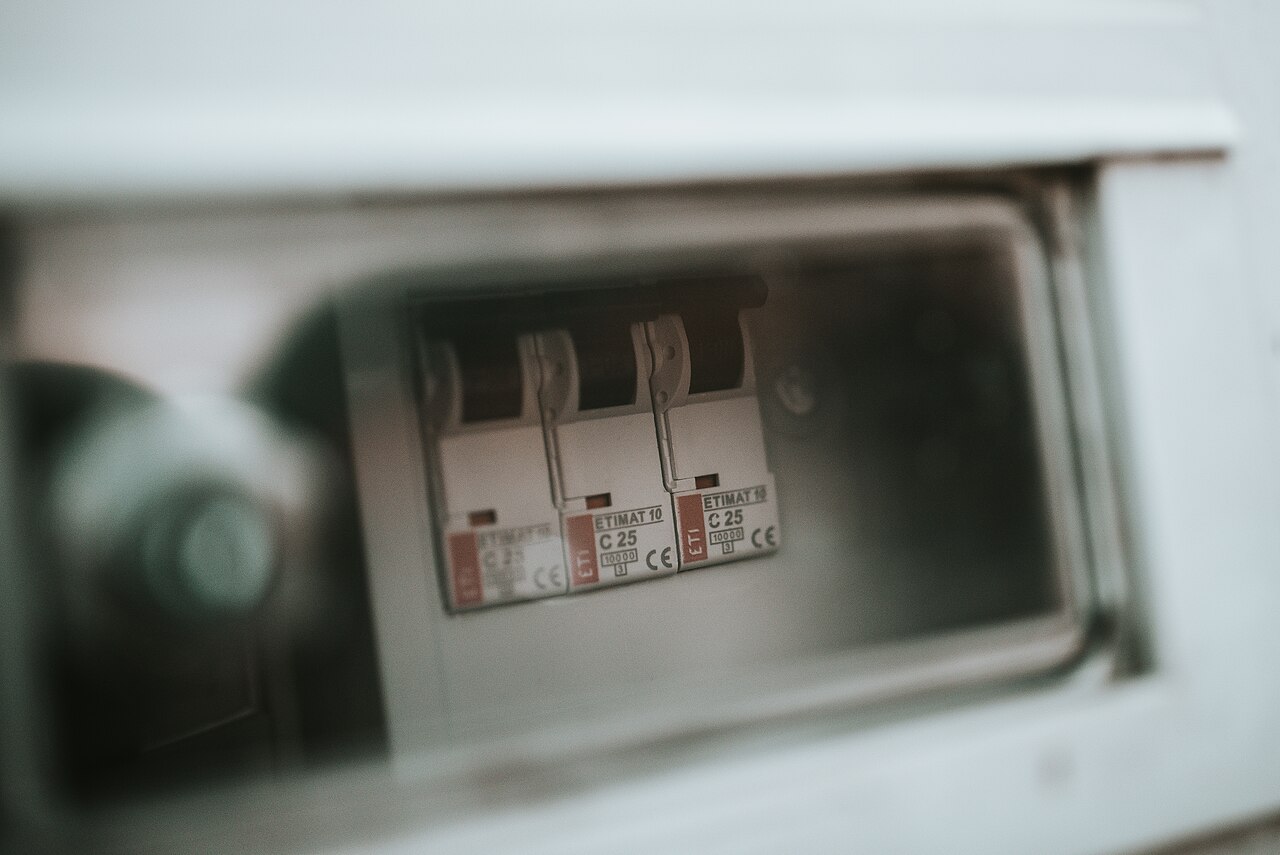 The afternoon sun beats down on Biscayne Boulevard, and the humidity sits thick enough to taste. You're in your condo near Aventura Mall, the thermostat set to 74, but the air coming from the vents feels like a hair dryer. You walk to the hallway closet, pull the panel, and there it is — the breaker for the AC sitting in the middle position, not fully off, not fully on. The label reads "AC 30A." Your neighbor mentioned this happened to them last July. You flip it off, wait, flip it on. The unit hums back to life. Twenty minutes later, it trips again. Now you're wondering if you keep resetting it or if something deeper is wrong.
A tripped AC breaker means the system drew more amps than the breaker allows, so it shut off to protect the wiring. Reset it once by pushing the handle firmly to OFF, waiting 30 seconds, then pushing to ON. If it trips a second time, do not reset it again — call a technician, because a repeated trip signals a short, a failing compressor, or a dirty coil that needs professional attention.
What does the breaker actually do?
Think of the breaker like a safety valve on a pressure cooker. Your AC compressor and fan motor pull electricity measured in amps. A 30-amp breaker means the circuit can handle 30 amps continuously. If the motor struggles — say, from a dirty condenser coil or a weak capacitor — it pulls more amps to keep spinning. Once it exceeds 30 amps, the breaker trips. That's its job: stop the wire from overheating and starting a fire. The breaker sits in your main panel or a sub-panel near the air handler. It's a double-pole breaker, meaning it controls both legs of the 240-volt circuit. You'll see two handles tied together with a metal bar. That bar ensures both legs trip together.Why does it trip on the hottest days?
South Florida heat pushes your system harder. When it's 93 degrees outside with 80 percent humidity, the refrigerant pressure inside the condenser coil climbs. The compressor works against that pressure. It's like pedaling a bike up a steep bridge — your legs (the compressor) need more effort. More effort means more amps. If the condenser coil is coated with salt, dust, or grass clippings from the landscapers near NE 191st Street, it can't shed heat. Pressure climbs higher. Amps climb higher. The breaker sees current well past its rating and trips. A clean coil might keep the draw comfortably below the limit. A dirty one pushes it past. That's why the same breaker holds fine in January but trips in July.How do you reset it safely?
Stand on a dry surface. Dry hands. No tools needed. Find the breaker labeled "AC," "HVAC," or "Condenser." It's usually a double-pole 30-amp or 40-amp. Push the handle firmly to the OFF position. You'll feel a distinct click. Wait 30 full seconds — count them. This lets the compressor's internal pressure equalize. If you flip it back too fast, the compressor tries to start against high head pressure and locks up. After 30 seconds, push the handle firmly to ON. Another click. Go back to the thermostat. Set it to COOL, fan AUTO, temperature 5 degrees below room temp. Listen at the air handler. You should hear the blower start, then the outdoor unit's fan and compressor. If the breaker holds for 15 minutes, you're likely good. If it trips again, stop. Leave it OFF. The video below comes from Ask DIY Dad and shows a full blower-motor replacement on a real unit — the hands-on kind of job a repeated trip often leads to. A failing or seizing blower motor pulls extra amps to keep spinning, and that extra draw is one of the things that pushes a circuit past its breaker rating. Watching a motor swap gives you a feel for what's inside your air handler and why a tech zeroes in on motors and capacitors when breakers keep tripping.What causes a breaker to trip more than once?
Three common culprits in Aventura buildings. First, a dirty condenser coil. Salt air from the Intracoastal builds a crust on the fins. Grass clippings from weekly mowing pack between the fins. The coil can't reject heat. Refrigerant pressure rises. Compressor pulls more amps. Breaker trips. Second, a failing run capacitor. This silver cylinder helps the compressor and fan motor start and run efficiently. When it weakens, the motor draws locked-rotor amps — sometimes three to five times normal — every time it tries to start. That spike trips the breaker instantly. Third, a short in the wiring. Insulation cracks from sun exposure on the roof or vibration against the unit chassis. Bare wire touches metal. Dead short. Breaker trips the moment you flip it ON. You'll often hear a snap or smell burnt plastic. That's an immediate "leave it off" situation.Can a dirty air filter trip the breaker?
Indirectly, yes. A clogged filter chokes airflow across the indoor evaporator coil. The coil gets too cold, ice forms. Ice blocks more airflow. The blower motor works harder to push air through the ice blockage, pulling more amps. Meanwhile, the compressor runs longer cycles trying to satisfy the thermostat. Longer run time plus higher amp draw equals heat buildup in the breaker. In a condo on Country Club Drive where the filter hasn't been changed since January, this chain reaction plays out every August. Change the filter every 30 to 60 days during cooling season. It's the cheapest insurance for your breaker.What's the difference between a tripped breaker and a blown fuse?
Some older Aventura buildings still have a disconnect box at the outdoor unit with cartridge fuses instead of a breaker. A fuse is a one-time device — a metal strip inside melts when amps exceed the rating. Once blown, it's done. You replace it. A breaker is reusable — you reset it. If your disconnect has fuses, you need the exact same amperage and type (usually TR or FRN-R). Never up-size a fuse. Putting a 40-amp fuse in a 30-amp circuit lets the wire overheat. That's how fires start. If you're not sure which you have, or if the fuse block looks corroded, don't guess — leave the disconnect off and call a technician. A mismatched fuse lets the wire overheat, and corrosion adds resistance and heat of its own.When to call us
DIY is great, but some jobs need a pro. If the problem persists, you spot anything dangerous, or you'd rather have an expert handle it, call (786) 664-2155 — Aventura HVAC Maintenance serves Aventura and nearby (Mon-Sat 8AM-8PM). No pressure, no upsells.
Need a professional touch?
Straightforward HVAC service with flat, honest pricing — quoted before any work begins.
No review discounts · no upsells.