Blog
Algae in the Drain Line: Prevention Routine
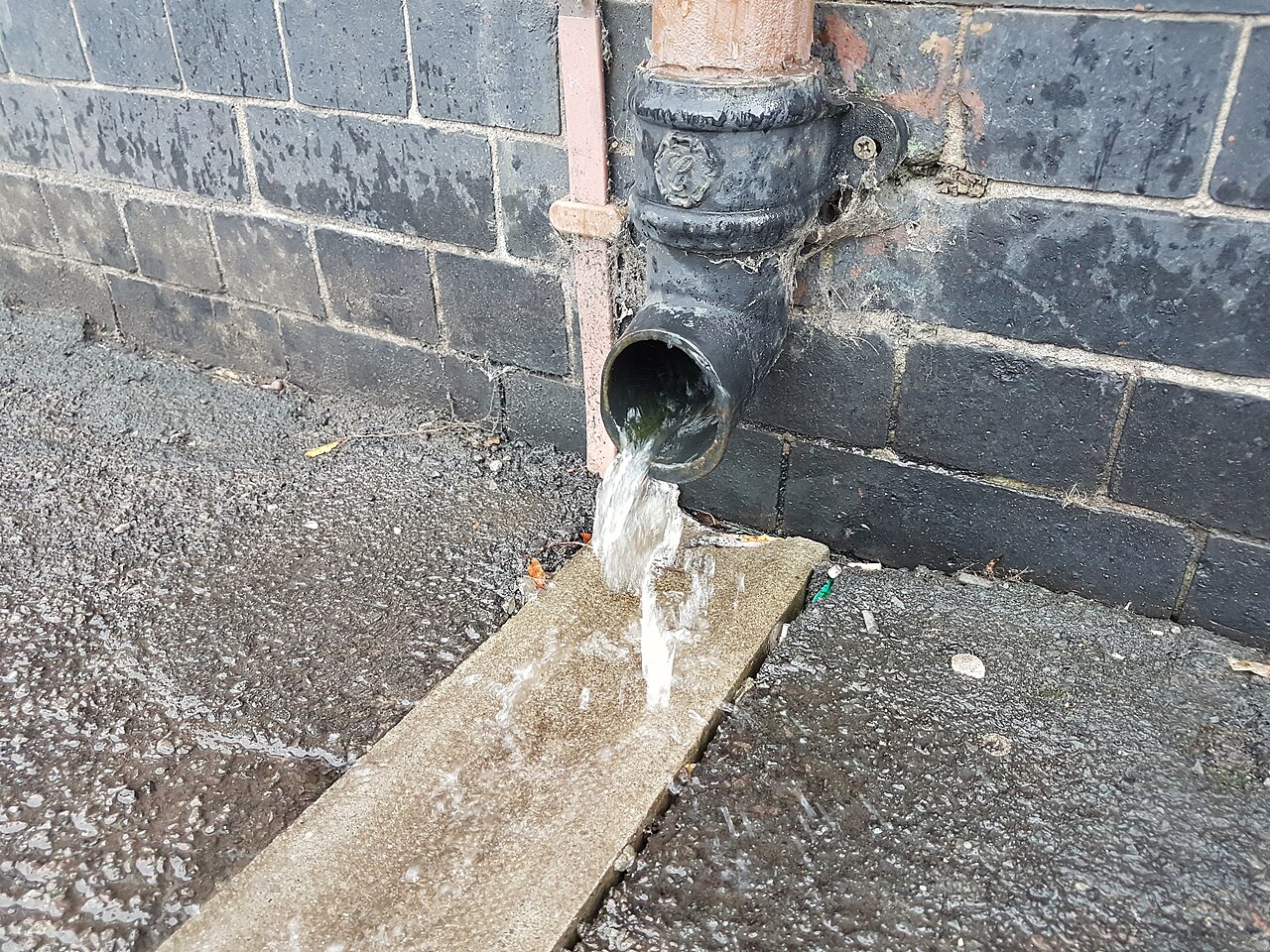 It was a humid Tuesday morning in Aventura, the kind of day when the sea breeze turns the air thick with salt and the sidewalks glisten from last night’s rain. I was walking past the Aventura Mall, the scent of fried plantains drifting from the food court, when the HVAC system in the building behind me started to sputter. Inside, a faint musty odor crept up from the air handler, a sign that something was wrong in the hidden drain line.
Algae grows inside HVAC drain lines when water sits in the pipe for more than 48 hours. Flushing the line every 7 days with a vinegar‑water solution stops the growth and keeps the system running clean.
What causes algae to grow in HVAC drain lines?
The drain line is a thin pipe that carries condensate from the air handler to the outside. When the HVAC cycles off, water can linger in the joint where the line meets the condensate pan. In South Florida’s warm, humid climate, that stagnant water becomes a perfect breeding ground for algae. The algae feed on the organic matter that sometimes gets trapped in the line, and as it spreads, it turns the line bright green and clogs the flow.How often should I flush my drain line to keep algae at bay?
You should flush the line at least once a week. A simple 5‑minute routine every Saturday or Sunday is enough to clear out the green film before it can grow thick. If you run the AC hard through the rainy months, do not skip weeks — steady moisture is exactly when algae grows fastest. The key is to keep the water moving so the algae never has a chance to settle.What tools do I need for a DIY drain line flush?
A bottle of white vinegar, a bucket, a wet/dry vacuum, a funnel or a small hand pump, and a long flexible brush or plumber's snake for stubborn clogs. The wet/dry vacuum attaches at the drain line's outdoor outlet to pull out sludge and debris. All of these are ordinary hardware-store items.What signs show the drain line is clogged or has algae?
- A slow, continuous drip from the condensate pan. - A greenish film or sludge in the pan or the line. - A musty or sour odor coming from the HVAC unit. - The system cycling off earlier than usual or running louder. If you notice any of these, it’s time to check the line.Can I use bleach to clean the drain line?
Bleach can kill algae, but it can also damage the plastic pipe and leave a chemical residue that’s harmful to indoor air quality. A safer alternative is a 50/50 mix of vinegar and water. Spray it into the line, let it sit for 10 minutes, then flush with clean water. If you want extra disinfectant, add a teaspoon of baking soda after the vinegar step.What is the step‑by‑step routine for flushing a drain line?
1. Turn off the HVAC unit for safety. 2. Find the drain line's vent tee — a short vertical pipe near the air handler where the line begins. 3. Pour a 50/50 mix of white vinegar and water into the vent tee with the funnel; use about a cup. 4. Let it sit for 10 minutes so the vinegar breaks down the algae film. 5. Go outside to the drain line outlet and attach the wet/dry vacuum; run it for a minute or two to pull out loosened sludge. 6. Turn the unit back on and let it run; water should flow freely from the outlet. 7. Check the condensate pan for any remaining green film and wipe it with a sponge. Repeat this routine weekly.How do I prevent algae from returning after a flush?
- Keep the drain pan dry by using a small fan or a dehumidifier in the attic. - Install a drain line seal or a small funnel that directs water straight into the line. - If you notice a persistent green film, ask a technician about a UV light mounted inside the air handler near the coil; the UV exposure discourages biological growth on wet surfaces. - Maintain a regular schedule—weekly at minimum, bi‑weekly in heavy rain months.What should I do if I find a stubborn clog that won’t flush?
- Disconnect the line from the unit (you’ll need a wrench). - Use a plumber’s snake or a long flexible brush to break up the clog. - Flush again with vinegar solution. If the clog persists, it’s time to call a professional. A vented or damaged line often needs replacement or a professional cleaning with specialized equipment.When do I need professional help instead of DIY?
If you notice a large amount of water backing up into the unit, if the unit stops working entirely, or if you’re unsure how to safely disconnect the line. Professionals can check the line for cracks, replace damaged sections, and install moisture‑control devices that keep the system dry.What does the embedded video show, and why is it useful?
The embedded video is a DIY walkthrough of cleaning A/C evaporator coils — a different maintenance task on the same system. It is useful here because the same prevention mindset applies: regular, gentle cleaning of the parts water touches keeps the whole system breathing easy. Watch it to get comfortable working around your air handler before you tackle the drain line.When to call us
If you’re in Aventura or the surrounding area and your HVAC unit is making a musty odor, has a slow drip, or you’re unsure how to safely clean the drain line, give us a call.When to call us
DIY is great, but some jobs need a pro. If the problem persists, you spot anything dangerous, or you'd rather have an expert handle it, call (786) 664-2155 — Aventura HVAC Maintenance serves Aventura and nearby (Mon-Sat 8AM-8PM). No pressure, no upsells.
Need a professional touch?
Straightforward HVAC service with flat, honest pricing — quoted before any work begins.
No review discounts · no upsells.