Blog
Why Your AC Keeps Tripping the Breaker (DIY Diagnosis)
 It's pushing 90 degrees on a Saturday afternoon in Aventura, the kind of heat that turns a parked car into an oven, and your AC has been running since breakfast. Then the house goes quiet. No hum from the vents, no cool air, just the ceiling fan pushing warm air around. You walk to the breaker panel in the garage, flip the tripped switch back on, and the AC roars back to life — for eleven minutes. Then it trips again. Resetting it a third time doesn't fix anything; it just proves something in the system is drawing more current than the circuit allows, and the breaker is doing exactly the job it was built to do.
An AC that keeps tripping its breaker is usually drawing more current than the circuit is rated for — most often because of a dirty filter starving airflow, a failing start capacitor, a weak or shorted compressor, or a loose electrical connection. You can safely check the filter, the thermostat, and whether the outdoor unit is blocked. If the breaker trips a second time after one reset, stop resetting it and call a pro — repeated resets can overheat wiring, and the electrical compartment of the outdoor unit holds a charge even with the power off.
What does the breaker actually do?
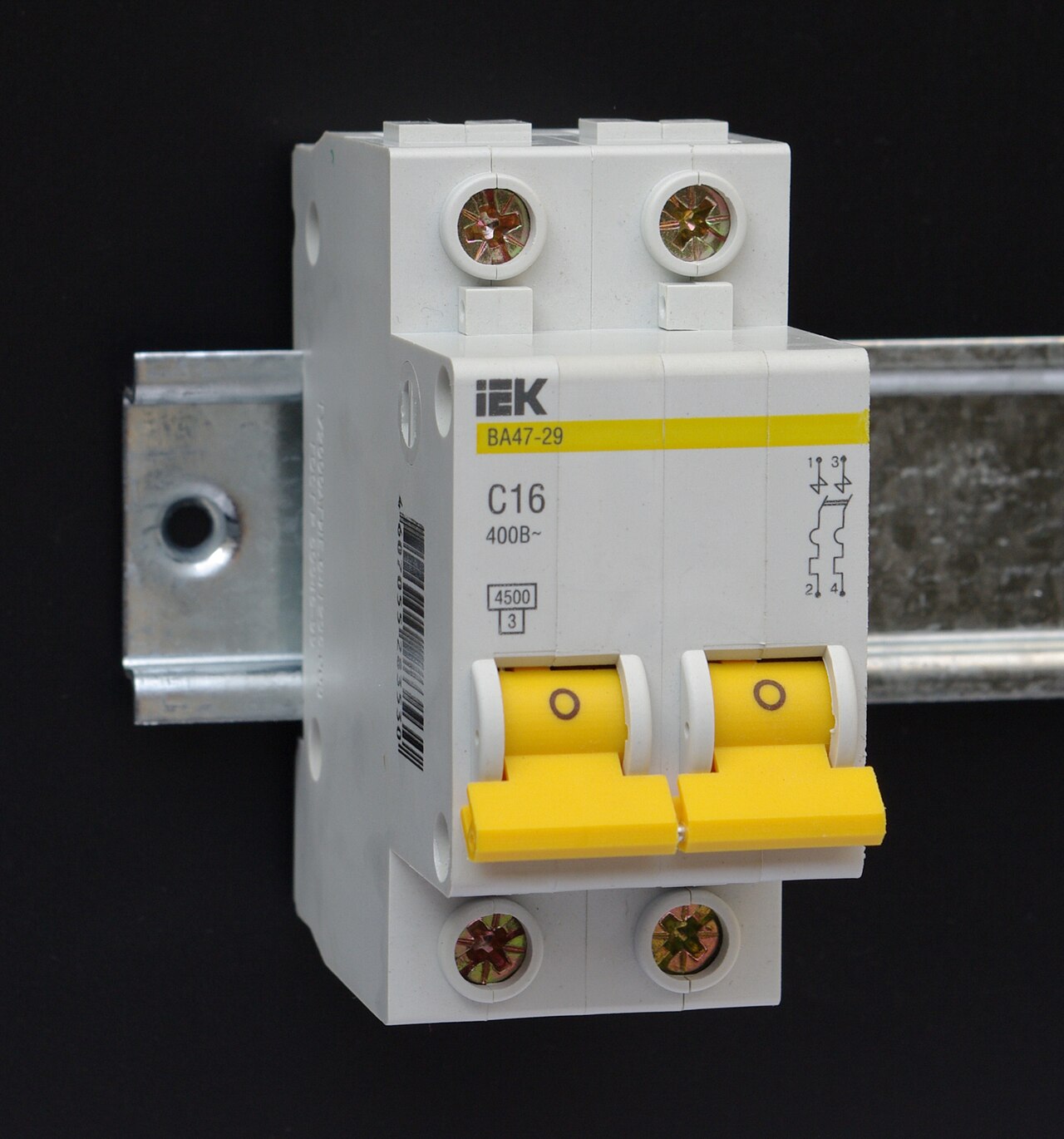
A circuit breaker is a safety switch, not a nuisance. Your AC runs on its own dedicated 240-volt circuit, separate from the outlets and lights in the rest of the house. That circuit has a breaker rated for the unit — commonly in the 30 to 60 amp range depending on the size of the system. When current climbs past that rating, the breaker trips and cuts power before the wiring overheats. So a tripping breaker is a symptom, not the disease. The real question is always: why is this unit pulling more current than it should? There are two broad families of causes. The first is airflow: anything that makes the system work harder to move air or shed heat raises the load on the blower and compressor. The second is electrical: a component that is failing starts drawing extra current, or a connection goes bad and creates resistance heat. The safe DIY checks below cover the first family and the easy parts of the second. Everything past that belongs to a technician with a multimeter and the right training.Start with the safe checks: filter, thermostat, and airflow
First, check the air filter. A filter clogged with dust chokes airflow across the evaporator coil. The coil gets too cold, the system strains, and the compressor works harder than it was designed to. If the filter looks gray or you can't see light through it, replace it. In an Aventura summer with the system running daily, a standard filter needs changing about once a month. Next, look at the thermostat. Make sure it is set to COOL and the fan is on AUTO, not ON. A fan set to ON runs constantly and can mask the real problem. While you're there, confirm nobody bumped the setpoint down to 65 — a system that never reaches its target never cycles off, and a unit running nonstop in August heat is far more likely to trip. Then walk outside to the condenser — the big metal box beside the house. It needs clear air around it to dump heat. Bushes, patio furniture, trash cans, or a fence pressed against it trap hot air around the coil, and the compressor has to push harder against that heat. Keep at least two feet of clearance on all sides. If the coil fins are visibly matted with leaves, grass clippings, or cottonwood fluff, you can rinse them gently with a garden hose from the outside in — with the power OFF at the disconnect — and let the unit dry before restarting. Never use a pressure washer; the fins bend easily and bent fins block airflow worse than dirt.Why does a breaker trip once and then trip again faster?
Breakers are thermal devices. The first trip may take a while because the breaker and wiring start at room temperature. Once tripped, everything is already warm, so the second trip comes sooner — and that is normal breaker behavior, not proof the problem got worse. What it does mean is that resetting repeatedly is pointless and risky. Each reset sends a surge of current into a system that already showed you it can't handle it. Rule of thumb: reset once. If it trips again, leave it off and diagnose with the power off. Also note what else is on that circuit. A dedicated AC circuit should serve nothing but the AC. If a previous owner or handyman tapped the AC circuit for a garage outlet, a pool pump, or an EV charger, the combined load can trip a breaker that the AC alone would never trip. If the breaker trips the moment something else switches on, that shared load is your prime suspect, and sorting it out is an electrician's job.What about the capacitor and the compressor?
The two most common electrical causes are the start capacitor and the compressor itself. A capacitor is a small cylinder in the outdoor unit that gives the compressor motor its starting jolt. When it weakens, the compressor strains to start, draws a spike of current, and trips the breaker — often with a humming or buzzing sound from the outdoor unit and no fan spin. A compressor that is failing internally, or one with shorted windings, draws high current continuously and trips the breaker within seconds or minutes of starting. Here is the part that matters for your safety: you can listen for the hum, but do not open the electrical compartment to inspect either component. Capacitors store a charge that can shock you even with the breaker off, and the compartment carries 240 volts. Testing or replacing a capacitor, and anything involving the compressor or refrigerant lines, is licensed-technician work. Refrigerant handling is federally regulated — it is not a homeowner job, and a leak is not something you top off from a hardware-store can. If your checks point past the filter and airflow, the right DIY move is to stop and make the call.How do you tell a bad breaker from a bad AC?
Sometimes the breaker itself is the problem. Breakers wear out, especially in South Florida garages where heat and humidity age everything faster. A breaker that trips with no load, feels loose or spongy when you flip it, or is hot to the touch while the AC is off may be failing on its own. But never swap in a higher-amp breaker to "fix" a tripping problem — the breaker rating protects the wiring, and oversizing it lets the wires overheat before anything trips. That is a fire risk, not a repair. A technician or electrician can test whether the breaker holds its rated current; if it doesn't, replacing it with the same rating is a cheap fix. Watch the video below for a visual walkthrough of this topic — a companion to the points above.When to call us
DIY is great, but some jobs need a pro. If the breaker trips a second time after one reset, you hear buzzing or humming from the outdoor unit, you smell burning or see scorch marks near the panel, or the problem points anywhere near the capacitor, compressor, or refrigerant — stop and call (786) 664-2155 — Aventura HVAC Maintenance serves Aventura and nearby (Mon-Sat 8AM-8PM). No pressure, no upsells.
Need a professional touch?
Straightforward HVAC service with flat, honest pricing — quoted before any work begins.
No review discounts · no upsells.