DIY Coil Fin Inspection (Bent vs. Clean)
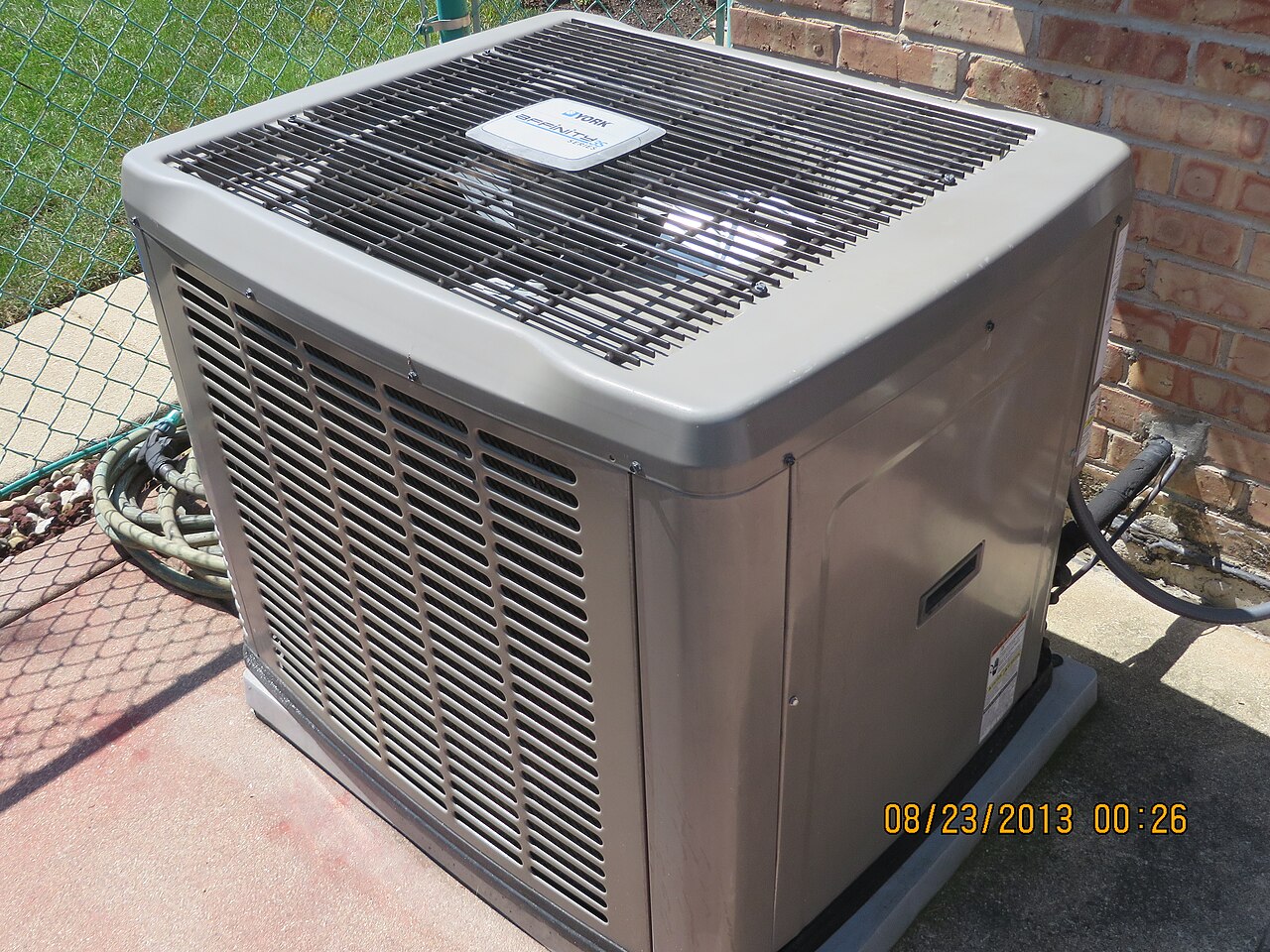 The heat hits different on Biscayne Boulevard come July. You're standing in your backyard off NE 190th Street around 2 p.m., the condenser fan whirring but the air coming off the top feels barely cooler than the sidewalk. Your second floor bedrooms have been stubborn all week — thermostat set to 74, actual reading 79. You've changed the filter. You've checked the breakers. Now you're staring at the outdoor unit, wondering if those thin metal fins wrapped around the coil are supposed to look like a crushed accordion.
What are coil fins and why do they matter?
Picture a car radiator. Those thin aluminum sheets — called fins — surround copper tubes carrying refrigerant. Their job is simple: grab heat from the air blowing across them and hand it off to the refrigerant inside. In South Florida, your outdoor condenser pulls a massive volume of air through those fins every minute the compressor runs. Salt air, lawn clippings, pollen, and the occasional rogue palm frond all land on that surface. When fins bend, they pinch together and close the gaps air needs to pass through. Less airflow means the refrigerant can't shed heat fast enough. Head pressure climbs. The compressor works harder. Your electric meter spins faster. A system with 30 percent fin blockage can lose 10 to 15 percent of its cooling capacity — enough to turn a comfortable living room into a sauna on a 92-degree afternoon.How can you tell if fins are bent vs just dirty?
Shine a phone flashlight through the fins at a low angle, almost parallel to the surface. Clean fins look like a comb — straight, even rows with light passing between each one. Dirty fins show a gray-brown fuzz (that's pollen, dust, salt crust) but the rows stay straight. Bent fins look like flattened pleats — the light gets blocked in patches where metal folded onto metal. Run a fingertip lightly along a row. Clean fins feel like stiff bristles. Bent sections feel smooth, like a folded piece of paper. Don't press hard. Aluminum fins are thin — about the thickness of a cereal box — and they'll bend further under your finger. If you see corrosion (white powdery spots or greenish streaks), that's a different problem. Note it and move on.What tools do you need for a DIY inspection?
You need three things, all sitting in a typical kitchen drawer: a bright flashlight (phone works), a soft-bristle brush — an old toothbrush or a clean paintbrush — and a garden hose with a gentle spray nozzle. That's it. No fin comb, no coil cleaner, no shop vac. The inspection is look-and-touch only. If you decide to clean, the brush loosens surface debris and the hose rinses it away. Spray from the inside out — meaning stand beside the unit, aim the water through the fan opening so it pushes dirt outward through the fins. Never spray high-pressure. A pressure washer will shred fins like wet tissue paper. Keep the nozzle at least 18 inches back and use a wide fan pattern.The video below is from HouseImprovements, a DIY home-improvement creator. Titled "How To Straighten Your A/C Condenser Fins," it demonstrates the fin-straightening technique itself — working the straightening tool through bent condenser fins and bringing them back into alignment so air can pass through again. Watching the actual technique is worth more than any written description: you'll see the angle, the pressure, and the patience it takes, which tells you honestly whether this is a Saturday job for you or a call to a tech.
This short demo shows the straightening tool worked through flattened sections of fin, the bent metal eased back into parallel rows, and the airflow paths reopened. The key takeaway is the touch: slow, light, section by section. If the video makes the job look fiddly, trust that instinct — small patches are homeowner work, but large crushed areas take a pro's patience.
Step-by-step: how to inspect your coil fins
First, kill power at the disconnect box mounted on the wall near the unit — usually a gray plastic box with a pull-out handle or a flip switch. If you can't find it, flip the breaker labeled "AC" or "Condenser" in your main panel. Wait two minutes. The capacitor holds a charge; giving it time to bleed off is a safety habit worth keeping. Next, remove the top fan guard. Most units use four to six hex-head screws (5/16 inch or 3/8 inch). Set screws in a magnetic tray or a pocket so they don't disappear into the mulch. Lift the fan assembly straight up — it's wired to the unit, so don't yank. Rest it on the cabinet side. Now you're looking down into the coil. Shine your light across the fins at that low angle. Work in sections: top to bottom, left to right. Note any areas where rows are mashed together. Take a photo with your phone if you want a record. When you're done, reverse the steps: fan assembly down, screws snug (don't overtighten — the cabinet is sheet metal), power back on.When should you straighten bent fins yourself vs call a pro?
A fin comb — a plastic tool with teeth spaced to match fin spacing — costs $10 to $15 at any hardware store. It works fine for small patches: a corner crushed by a weed whacker, a few rows bent by a falling branch. You comb upward, one row at a time, like brushing tangled hair. But if the damage wraps around a full side of the coil, or if fins are torn (you'll see actual gaps, not just bends), or if the coil looks oil-stained (that's a refrigerant leak), stop. Combing large areas takes patience and a steady hand. Rushing creates more damage. A technician has a powered fin straightener and, more importantly, the experience to know when the coil itself is compromised. Bent fins on a 12-year-old unit in a salt-air corridor like Golden Beach or Sunny Isles often signal the coil is thinning out. Combing might buy a season, but it won't fix metal that's giving up. That's the honest line: small, shallow bends on a healthy coil are yours to fix; widespread damage, torn fins, or any sign of a leak belongs to a technician.When to call us
If more than a fifth of your coil face is mashed flat, if fins are torn rather than bent, if you see oil staining (a refrigerant leak), or if the unit still struggles after you've cleaned and combed — call Aventura HVAC Maintenance at (786) 664-2155. We serve Aventura and nearby, Monday through Saturday, 8 AM to 8 PM. We'll assess the coil honestly: comb what's worth combing, and tell you straight if the coil — or the unit — is done. If the fins just need a light touch-up, we'll say that too.
Need a professional touch?
Straightforward HVAC service with flat, honest pricing — quoted before any work begins.
No review discounts · no upsells.