Blog
How to Check Your Drain Line Exit Point Outside
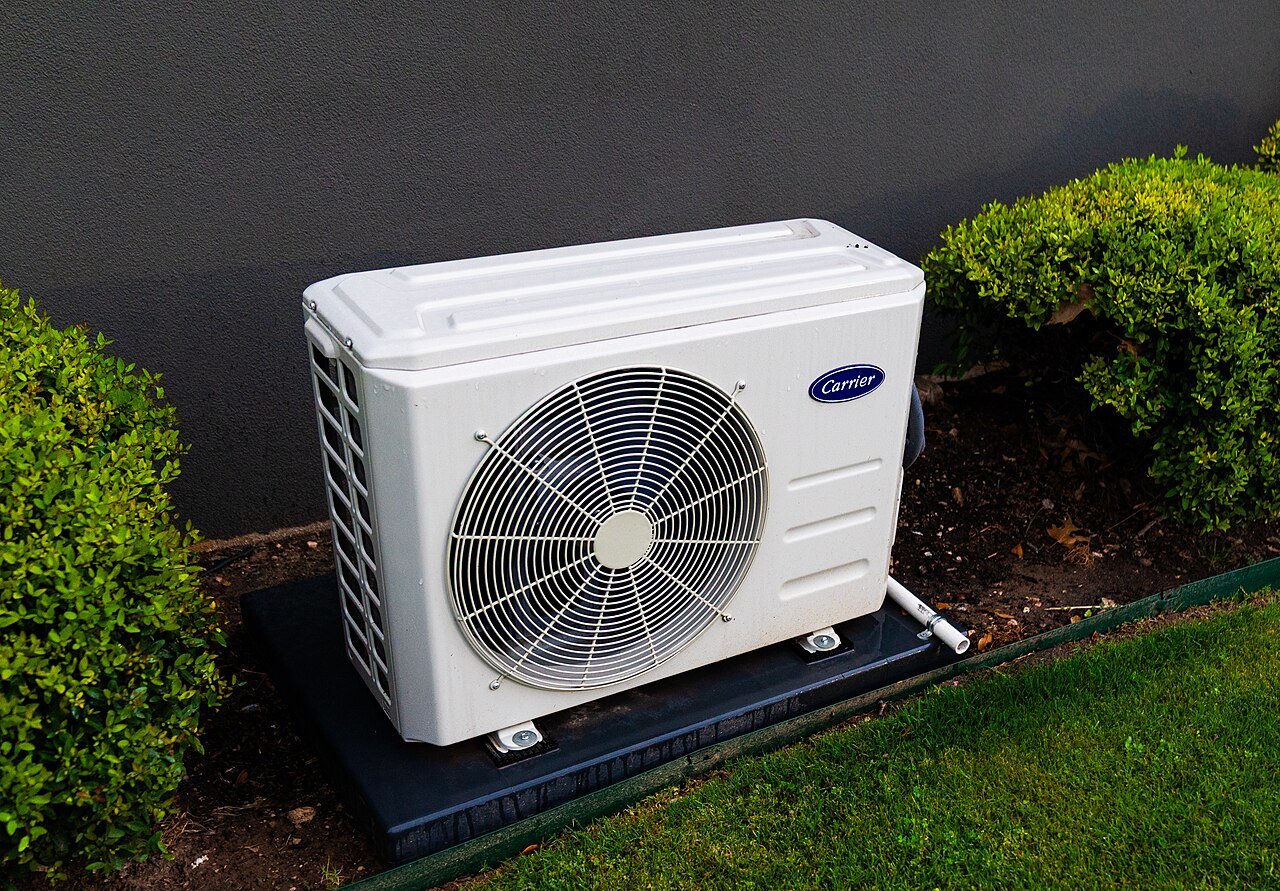 The humidity hit me the second I stepped out the back door of a condo off Biscayne Boulevard, that thick wet blanket that makes your shirt stick before you've walked ten feet. The homeowner had called saying water was pooling near the AC pad, and sure enough — a slow seep crept across the pavers toward the lanai screen. We traced it to a PVC pipe stubbed out through the stucco, half buried in mulch and choked with something that looked like wet felt. That's the drain line exit. Most folks never look at it until the ceiling stains show up or the float switch kills the system on a 94-degree Tuesday.
Your AC drain line exit is the PVC pipe that sticks out of an exterior wall or slab, usually near the condenser unit. It should drip steady water when the system runs. If it's dry, clogged, or spraying, the line is blocked or damaged and needs clearing before water backs up into the air handler.
Where do I find the drain line exit outside?
Walk the perimeter of your house or condo building. Look for a half-inch or three-quarter-inch PVC pipe poking through the stucco, block, or siding — typically within a few feet of the outdoor condenser. In South Florida, builders often run it out the wall right behind the unit or down through the slab near the pad. Sometimes it's hidden behind landscaping, mulch, or a decorative rock border. If you have a second-floor unit, the line may exit a soffit or run down an exterior chase. Follow the pipe from the indoor air handler if you can access the closet or attic; it usually runs straight through the wall.What should I see when the AC is running?
Turn the thermostat to cool and let the system run ten minutes. Go back outside. A healthy line drips a steady stream — maybe a cup every few minutes on a humid day. The water should be clear. If nothing comes out, the line is clogged or the trap is dry. If water gurgles, sputters, or backs up at the indoor unit, the blockage is downstream. Algae, sludge, and insect nests are the usual culprits here. I've pulled out mud dauber nests the size of a thumb from these pipes in Aventura and Sunny Isles.Why does the exit get clogged in the first place?
Warm, wet, dark — that pipe is a biology experiment. Algae grows fast in our climate. Dust and skin cells from the return air feed it. The trap (that U-shaped bend near the air handler) holds water to block sewer gas, but it also catches sludge. If the line runs flat or uphill anywhere, water sits and grows fuzz. Mulch piled against the exit invites roots and bugs. A cracked or separated joint underground can suck in dirt. All of it ends up at the exit point.Can I clear it myself?
Yes, if the clog is near the exit. Shut off power to the system at the breaker. Pull any visible debris from the pipe end. A wet/dry vacuum on the outside end works — seal the hose to the pipe with a rag and run it two minutes. You can also pour a cup of distilled vinegar down the indoor cleanout (the T-fitting with a cap near the air handler) and let it sit thirty minutes, then flush with water. Skip the bleach — it can corrode a metal drain pan and it's rough on the landscaping where the line exits. Vinegar does the job without the collateral damage. If the vacuum pulls nothing or the vinegar doesn't move, the blockage is deeper.The video above, "Unclog Your A/C Drain Line Yourself! Easy DIY & Save Money" from Helping Hand OKC, walks through finding the condensation drain line, clearing a clog safely, and checking that water is flowing correctly afterward.
What if the pipe is buried or I can't find it?
Some exits run underground to a French drain, dry well, or curb. If you see no pipe at the wall, check the condenser pad — sometimes a short stub turns down into gravel. In older Aventura buildings, the line may tie into a condensate pump that pushes water to a laundry sink or floor drain. If you truly can't locate it, don't start digging. A tech with a camera locator can trace it without tearing up pavers or landscaping.How often should I check it?
Once a month during cooling season. Twice a year minimum — spring before the heavy humidity hits, and fall after. Put it on the same calendar reminder as changing the filter. A quick glance takes thirty seconds. Catching a slow clog early saves a ceiling repair that runs into thousands.What are the signs I missed it too long?
Water stains on the ceiling below the air handler. A musty smell when the blower runs. The safety float switch tripping — that shuts off the compressor but the fan may still blow warm air. Wet drywall at the baseboard near the indoor unit. Mold on the supply registers. If you see any of these, the line has been backed up for a while.When to call us
If the vacuum and vinegar don't restore steady flow, if the pipe is cracked or separated, if you can't find the exit, or if water has already damaged ceilings or walls — call Aventura HVAC Maintenance at (786) 664-2155. We serve Aventura and nearby, Mon-Sat 8AM-8PM. We'll clear the line, check the trap slope, test the float switch, and make sure the exit stays open so you don't get surprised next August.Need a professional touch?
Straightforward HVAC service with flat, honest pricing — quoted before any work begins.
No review discounts · no upsells.