How to Listen for Compressor Problems (Startup Sounds)
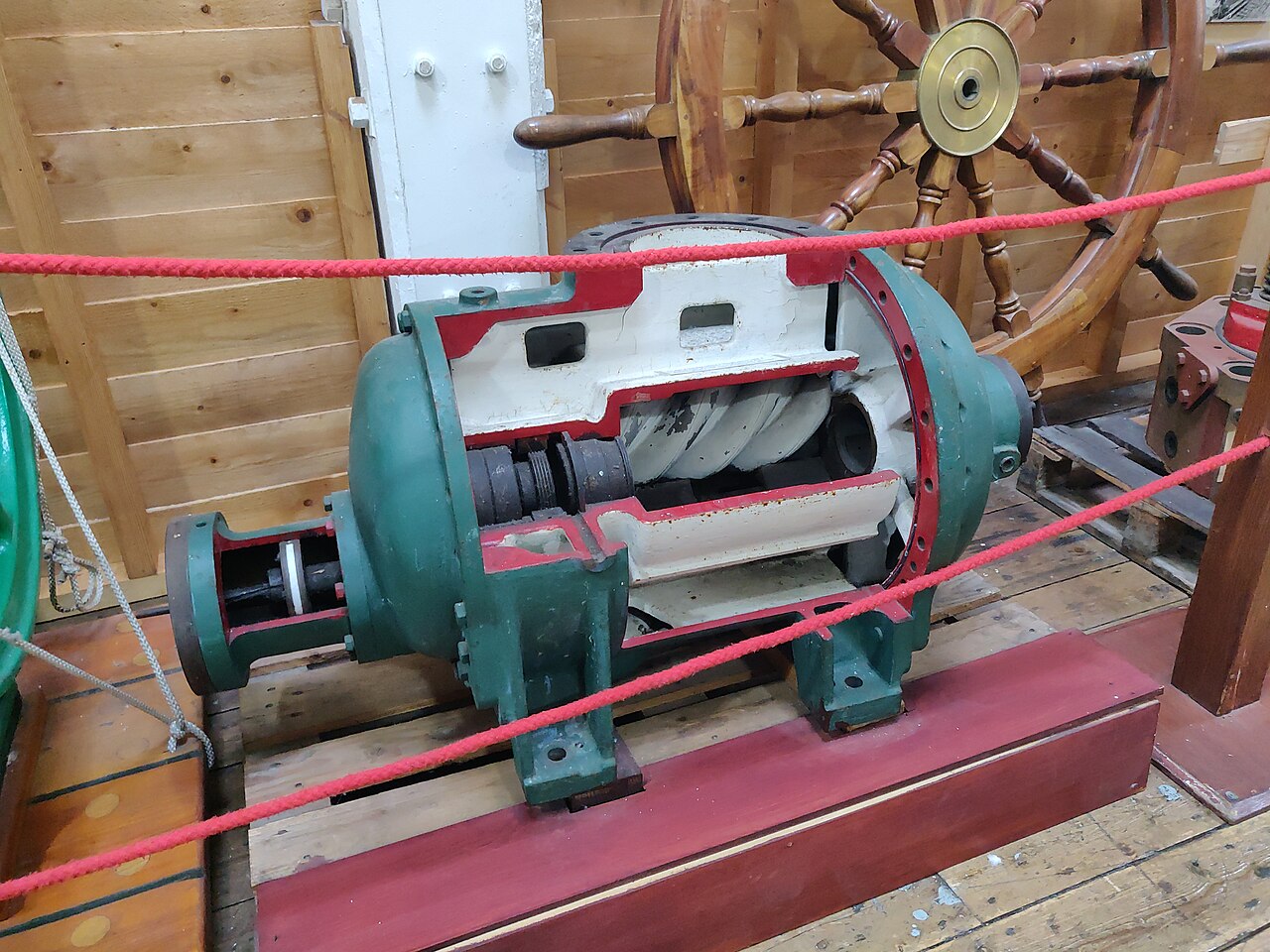 The humidity hangs thick over Aventura Boulevard at 7:14 a.m., the kind that sticks to your skin before the sun even clears the condo towers. You're standing in your driveway with a travel mug, hearing the outdoor unit kick on — except today it doesn't just hum. It groans, a low mechanical moan that lasts three seconds before settling into its normal rhythm. That sound is the compressor, the heart of your air conditioner, telling you something's off inside the sealed can. Most people ignore it until the unit quits on a 94-degree August afternoon. You don't have to be one of them.
What does a normal compressor startup sound like?
A healthy compressor sounds like a refrigerator when it kicks on — a smooth, low hum that builds in about one second and levels off. You'll hear the fan motor start first, a gentle whoosh of air, then the compressor joins in. The whole sequence takes maybe three seconds total. In South Florida heat, you might hear it cycle on four to six times an hour during peak afternoon. That's normal. What's not normal is any sound that makes you turn your head.Why does my compressor groan or hum loudly for several seconds?
That extended groan is called a hard start. Inside the compressor, a piston compresses refrigerant gas. When the system sits off for a while, pressure equalizes between the high side and low side. On startup, the motor has to overcome that pressure difference. Think of it like pushing a car that's parked on a slight incline — you need extra push to get it rolling. A healthy start capacitor gives that extra push. If the capacitor is weak or the motor windings are wearing out, the motor fights the pressure longer. You'll hear a deep, strained hum lasting three to five seconds or more. The lights in your house might even dim slightly. That's the motor drawing locked-rotor amperage — often three to five times its running amps — and it generates heat that shortens the compressor's life every time it happens.What does a rapid click-click-click mean at startup?
That's the start relay or contactor chattering. The relay's job is to connect the start capacitor to the motor windings for a split second, then drop out once the motor reaches speed. When the relay contacts get pitted or the capacitor can't hold enough charge, the relay tries to engage, fails, drops out, tries again — click, click, click. You might hear five to ten rapid clicks before the compressor either starts or gives up and trips the overload protector. Sometimes the compressor never starts at all; the outdoor fan runs but the compressor stays silent after the clicking stops. This is one of the cheaper fixes if caught early — a new start capacitor and relay kit costs a fraction of a compressor replacement.Why do I hear a loud bang or clank when the unit starts?
A single loud bang at startup usually means a broken internal spring or mount inside the sealed compressor can. The compressor motor and pump assembly sit on springs that absorb vibration. Over years of cycling — thousands of starts and stops in Florida's long cooling seasons — a spring can fatigue and snap. When the motor torque hits on startup, the whole assembly shifts and hits the metal can. That's the bang. You might also hear a metallic rattle that continues while the compressor runs. This is internal damage you can't fix from the outside. The compressor will likely keep running for a while — sometimes months — but it's living on borrowed time. Each bang fatigues the refrigerant lines connected to the compressor, risking a leak.What about a high-pitched screech or squeal?
A screech that lasts a few seconds at startup often points to the compressor's internal bearings or the start capacitor relay sticking. But more commonly in our area, it's the outdoor fan motor bearings seizing up from salt air and humidity. The fan motor sits right above the compressor, and the sound travels. Spin the fan blade by hand with the power off — it should turn freely and coast for several seconds. If it feels gritty or stops fast, the fan motor is the culprit. Either way, a screech means metal-on-metal contact somewhere. That generates heat and metal shavings that circulate through the system.How can I tell if the sound is coming from the compressor versus the fan?
Stand next to the outdoor unit when it starts. The fan makes a steady whoosh — air moving through the coil. The compressor makes a deeper, mechanical hum or groan from lower in the cabinet. If you hear the click-click-click, that's electrical — relay or contactor — usually in the control box on the side. A bang from deep inside the lower third of the unit is the compressor itself. Here's a simple test: with the power off at the disconnect, remove the fan guard and spin the fan blade. If it spins freely, the fan motor is likely fine. The sound you're hearing at startup is almost certainly the compressor.Can a dirty coil or low refrigerant cause weird startup sounds?
Indirectly, yes. A coil clogged with cottonwood seed, pollen, or grass clippings — common after a spring storm near Founders Park — forces the compressor to pump against higher head pressure. That makes hard starts worse and louder. Low refrigerant from a slow leak means the compressor runs hotter and works harder, which amplifies any mechanical noise. But the root sound — the groan, click, or bang — comes from the compressor or its start components. Cleaning the coil and checking refrigerant charge are part of a proper diagnosis, not the fix for the sound itself.The video below is good ear training for exactly this skill. An HVAC technician starts up a condenser with reversed phase rotation and lets you hear what wrong sounds like at startup -- rough, loud, and off in a way you can feel even through a phone speaker. He walks through the fix (swapping any two legs to correct the rotation), verifies it with a phase meter, and explains why phase monitors matter: they protect the compressor from reverse rotation, phase loss, and voltage imbalance. His rule is simple and worth stealing: if it does not sound right at startup, shut it off and do not walk away. Most homes in Aventura run single-phase equipment, so you will not deal with phase rotation yourself -- but the core lesson transfers directly. Stand by the unit when it kicks on, learn what your normal start sounds like, and treat any new roughness, grinding, or harshness as a reason to call before the compressor eats itself.
What is a hard-start kit and does it actually help?
A hard-start kit is a beefier start capacitor paired with a potential relay that cuts the capacitor out of the circuit more precisely than the factory relay. It gives the compressor motor a stronger, cleaner kick at startup. Think of it like a better starter motor on a car engine — it spins the engine faster so it fires quicker. On a compressor that groans for three to four seconds, a hard-start kit can cut that to one second. That reduces heat buildup in the windings and lessens the mechanical stress on internal parts. We install them regularly on older units where the factory start components are getting weak. If your compressor groans for more than a couple of seconds at startup, a hard-start kit is worth discussing with your tech -- it is a small part that takes real stress off the motor windings and can buy a tired compressor another season or two. It will not fix a broken internal spring or worn bearings, but for a compressor that is just getting lazy with age, it is one of the best dollars-per-year fixes in the trade.
When to call us
DIY is great, but some jobs need a pro. If the problem persists, you spot anything dangerous, or you'd rather have an expert handle it, call (786) 664-2155 — Aventura HVAC Maintenance serves Aventura and nearby (Mon-Sat 8AM-8PM). No pressure, no upsells.
Need a professional touch?
Straightforward HVAC service with flat, honest pricing — quoted before any work begins.
No review discounts · no upsells.