Blog
How to Test Your AC Disconnect Box (Pull-Out Type)
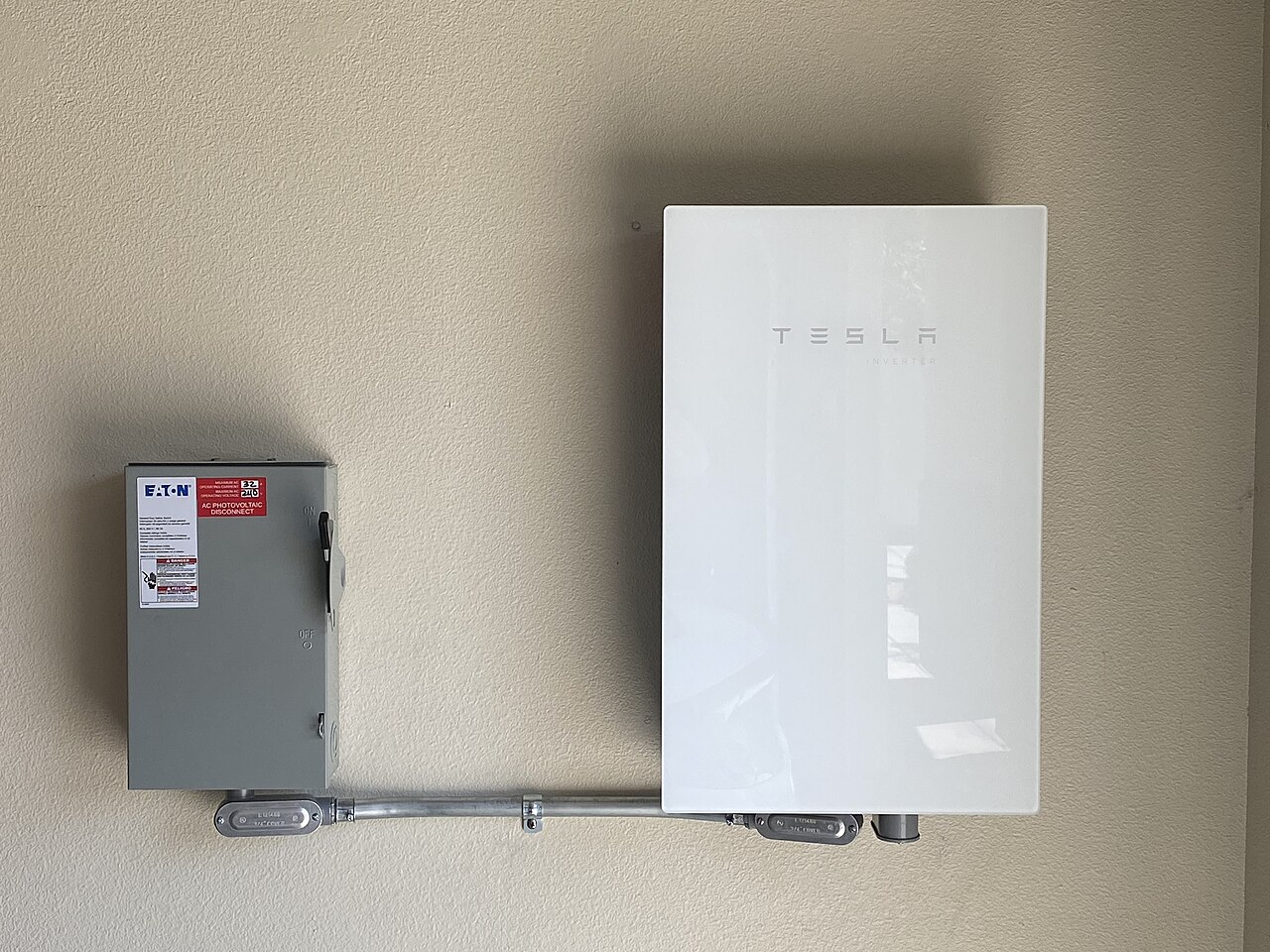 The afternoon sun beats down on the condenser unit behind a house on NE 190th Street, just west of Biscayne Boulevard. The air coming from the vents upstairs has been warm for two hours. You've checked the thermostat, swapped the filter, even hosed off the outdoor coil. Nothing changed. The tech on the phone asks: "Did you pull the disconnect?" You walk around the side of the unit, see a gray metal box with a handle sticking out, and realize you have no idea what happens when you yank it. That handle is the pull-out disconnect — the one safety switch that kills power to the whole outdoor unit before you touch a wire.
A pull-out AC disconnect box cuts power to the outdoor condenser when you remove the handle assembly. To test it, shut off the thermostat, pull the handle straight out, then use a non-contact voltage tester on the wires inside the condenser's electrical compartment — no voltage means the disconnect worked. Always verify with a tester before touching any terminals.
What is a pull-out disconnect box?
The gray box mounted on the stucco wall beside your condenser is a pull-out disconnect. Inside, a plastic handle assembly carries two metal blades that slide into live jaws. When the handle sits fully seated, 240-volt power flows from the breaker panel through the disconnect and down the whip to the condenser. Pull the handle out, and those blades separate from the jaws — power stops at the box. The handle itself becomes a physical barrier; you can't re-insert it upside down. Most residential units in Aventura use a 30-amp or 60-amp rated disconnect, matched to the condenser's nameplate MCA (minimum circuit ampacity) and MOP (maximum overcurrent protection).Why test the disconnect before opening the condenser?
The condenser's electrical compartment holds the contactor, capacitor, and fan motor leads — all fed by that 240-volt whip. If the disconnect fails to break contact, those terminals stay live even with the thermostat off. A non-contact voltage tester (the pen-style tool that beeps and flashes near live wire) costs $12 at any hardware store and takes two seconds to use. Without it, you're guessing. Salt air near the Intracoastal corrodes the jaw contacts over time; a handle that pulls smooth might still leave one blade touching. That's why the test matters — not the pull, the verification.How do you test a pull-out disconnect step by step?
- Set the thermostat to OFF. Wait two minutes for the contactor to drop out.
- Walk to the disconnect box. Grip the handle firmly and pull straight out — don't wiggle. The handle comes completely free.
- Set the handle aside where it can't be shoved back in by accident.
- Remove the condenser's electrical access panel (usually two screws).
- Turn on your non-contact voltage tester. Check it on a known live outlet first — the tester should beep.
- Probe the tester near the black and red wires entering the contactor, then near the compressor and fan motor leads. No beep, no flash = no voltage.
- If the tester stays silent on all wires, the disconnect did its job. You can work safely.
- If the tester beeps on any wire, stop. The disconnect didn't break contact. Call a licensed tech.
What does a failed disconnect look like?
You pull the handle, but the tester still beeps on the contactor input terminals. Inside the disconnect box, the jaws may be pitted green from salt corrosion, or one blade bent from a rough re-insert. Sometimes the handle feels loose — the retention spring weakened. In older boxes (pre-2000), the plastic handle body can crack, letting the blades sit crooked. You might also see black soot on the jaws — evidence of arcing. Any of these mean the disconnect can't be trusted. Don't bend blades back. Don't spray contact cleaner and hope. The box gets replaced.Can you test without a non-contact voltage tester?
Not safely. A multimeter works if you know how to use it — set to AC volts, 600V range, black lead on ground lug, red lead on each power terminal — but you're probing live parts with metal tips. One slip and you're the path to ground. The non-contact tester keeps your fingers away from copper. If you don't own one, buy it before you start. It's the cheapest safety tool on the truck.DIY Video Guide
This DIY walkthrough shows a homeowner replacing a failed condenser fan motor and dual-run capacitor on a residential outdoor unit — the same electrical compartment your disconnect box protects. He troubleshoots the dead fan, opens the panel, and works through the contactor and capacitor wiring step by step. It isn't a disconnect-box test, but it shows exactly what's behind that panel and why the first move is always killing the power: every wire he touches is one you never want live. Watch how he handles the capacitor and the motor leads, and you'll understand why the pull-and-verify habit from this article matters.What if the disconnect tests good but the condenser still won't run?
Power reaches the contactor coil (24 volts from the air handler) but the contactor doesn't pull in — that's a bad contactor or a broken control wire. Power reaches the contactor and it pulls in, but the compressor or fan doesn't start — that's a capacitor, motor, or compressor issue. Power doesn't reach the contactor at all — check the breaker at the main panel. The disconnect test only tells you the outdoor unit is de-energized. It doesn't diagnose why the system won't cool. That's a separate troubleshooting path.How often should you check the disconnect?
Once a year, during your spring maintenance visit. The tech pulls the handle, verifies zero voltage, then inspects the jaws for corrosion and the handle for cracks. In Aventura's salt air, the jaws pit faster than inland. A disconnect box replaced during a tune-up beats an emergency call in July when the condenser won't shut off because the contacts welded shut. That happens — the compressor runs until the thermal overload trips, over and over, until the windings burn.When to call us
If the non-contact tester beeps after you pull the handle, if the disconnect handle feels loose or cracked, if you see green corrosion or black soot on the jaws, or if you're not comfortable opening the condenser's electrical panel — call Aventura HVAC Maintenance at (786) 664-2155. We serve Aventura and nearby, Monday through Saturday, 8 AM to 8 PM. We'll test the disconnect, inspect the jaws, and replace the box if it's compromised — before the next heat wave hits.Need a professional touch?
Straightforward HVAC service with flat, honest pricing — quoted before any work begins.
No review discounts · no upsells.