Ice on the Big Copper Line: What It Means
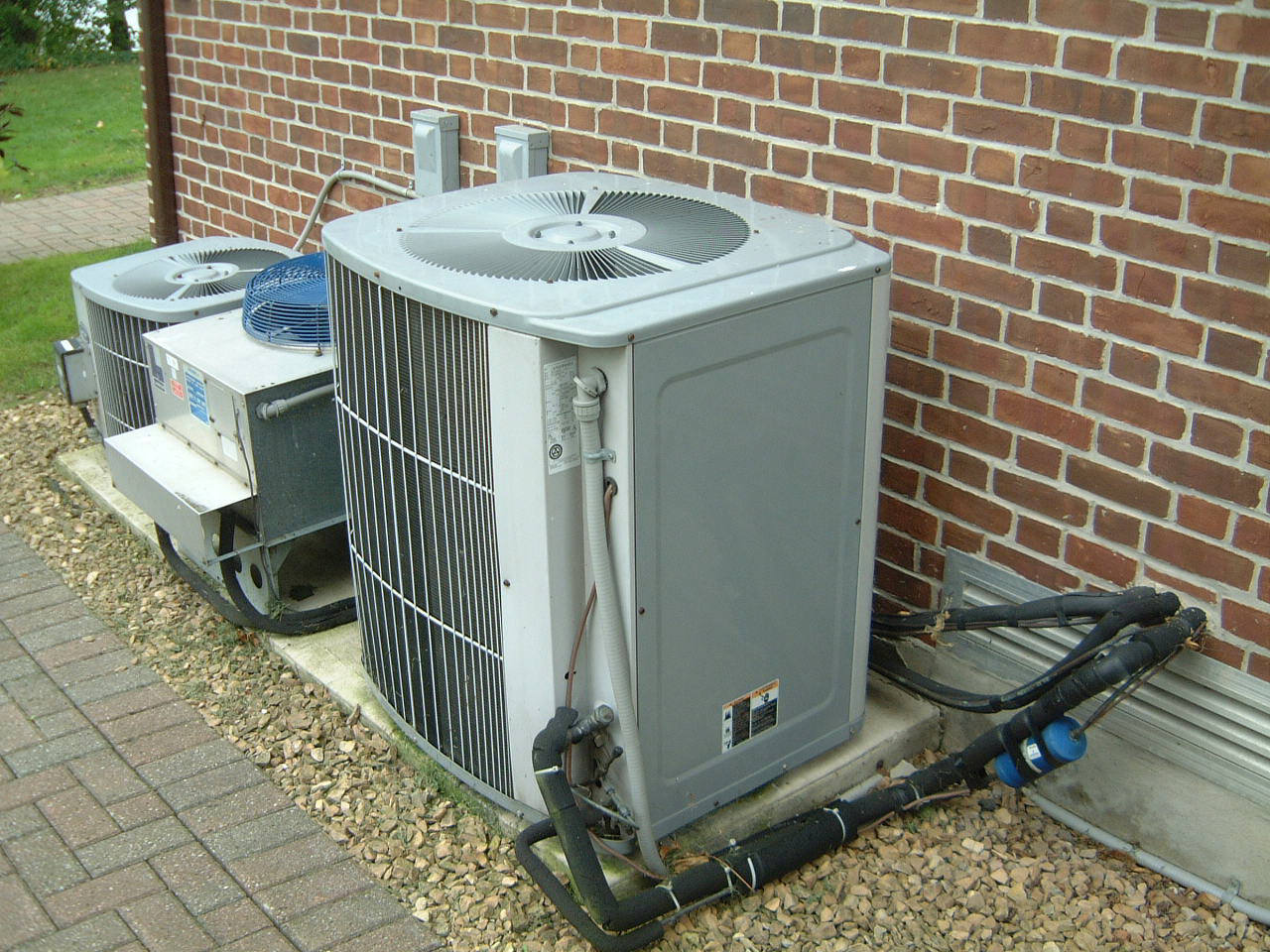 It's a brutal Tuesday afternoon in late July, off NE 187th Street two blocks east of Biscayne Boulevard. The air sits on your shoulders like a wet towel, cicadas drilling through the quiet, and the upstairs bedrooms are climbing past 80 degrees though the thermostat says 74. You walk around to the condenser — and there it is: the big copper line wearing a crust of white ice, thick as freezer frost, cold enough to sting your fingertips.
Why does ice form on the suction line?
The big copper line is the suction line — the fat, insulated pipe that carries cool refrigerant vapor from the indoor coil back to the outdoor compressor. (The skinny bare copper line beside it is the liquid line.) On a healthy system it feels like a cold drink can — roughly 45 to 55 degrees, cool and sweaty but never frozen. A little condensation on it during a humid afternoon is completely normal.
Ice appears when the line's temperature falls below 32°F, the freezing point of water. Do the math: if the line normally runs about 45 degrees and it's now at freezing, it's running at least 13 degrees colder than it should (45 − 32 = 13). That gap means the refrigerant inside isn't picking up enough heat from your house. Two things cause that: low refrigerant charge, or weak airflow across the indoor coil. Both leave the refrigerant too cold, and humid air does the rest — freezing its moisture onto the metal like frost on a freezer wall.
Why does less refrigerant make the line colder, not warmer?
This is the part that trips everyone up. Less coolant should mean less cooling, right? But refrigerant doesn't work like ice in a cooler. It works by pressure.
Think of a can of compressed air — the kind for dusting a keyboard. Spray it for ten seconds and the nozzle turns ice-cold: the pressure dropped, and dropping pressure drops temperature. When your system loses refrigerant to a slow leak, the remaining refrigerant runs at lower pressure, boils at a lower temperature, and comes back through the suction line colder than it should.
Here's the same idea through a completely different lens: water boils at 212°F at sea level, but on top of a mountain it boils closer to 203°F, because the air pressure up there is lower. Lower pressure, lower boiling point — that's physics, not opinion. Your evaporator coil lives that same rule in reverse: low pressure inside means the refrigerant boils off too early and too cold, and the suction line ices over.
Warning signs of a leak: a faint hiss near a joint, or a dark oily smudge on the copper where refrigerant oil escaped with the gas. Either one means the DIY portion of this story is over.
How can a dirty filter cause ice?
The indoor coil can only absorb heat if warm house air actually crosses it. A filter packed with dust, pet hair, and renovation drywall dust chokes that airflow. Less warm air over the coil means the refrigerant absorbs less heat and stays colder — the coil surface drops below freezing, condensation freezes on contact, and ice creeps outward along the suction line. Closed supply vents and a blocked return grille do the same thing.
The filter is the cheapest suspect and the fastest fix. A standard 1-inch filter costs a few dollars at any hardware store and swaps in two minutes. If the ice melts within a few hours of the swap and stays gone, the filter was the whole story.
What should you check before calling a tech?
- Turn cooling OFF, fan ON. At the thermostat, switch from COOL to OFF, then set the fan from AUTO to ON. The blower pushes warm house air across the frozen indoor coil and thaws it from the inside. Give it two to four hours.
- Change the filter. Hold the old one up to a light. If you can't see light through it, it was strangling your system.
- Open every supply vent and pull furniture and rugs away from the return grille. One blocked return can starve the whole system.
- Look at the line's insulation. The black foam sleeve on the big copper line should run unbroken from the house wall to the condenser. Sun-rotted or chewed-off sections let humid air touch bare cold copper, and frost forms there first.
- Listen and look for a leak. A faint hiss or bubbling near a joint, or an oily dark residue on the copper, points to refrigerant escaping. Look, don't touch — that's a pro-only repair.
Can you safely melt the ice yourself?
Let it melt on its own — that's the whole method. Never chip at the ice with a screwdriver, and never aim a hair dryer or heat gun at the copper. Aluminum fins bend with almost no force, and copper cracks under rapid heating; one impatient minute can turn a free thaw into a four-figure repair. System off, fan on, wait a few hours. Slide a towel under the indoor unit first — a thawed coil dumps a surprising amount of water, and an older drain pan can overflow.
The video below is worth your time because a dirty indoor coil is one of the two main reasons a suction line ices over — and this is a plain, hands-on look at how a homeowner gets to that coil and cleans it.
The video is "How To Clean A/C Evaporator Coils - Bryant Furnace / Air Handler - 2015 Model Year - HVAC DIY Guide" by the independent DIY creator Paul79UF. He opens up a Bryant air handler mounted in an attic, removes the access cover, and cleans the N-shaped coils of that 2015 unit with coil cleaner spray and a brush kit, sealing the seams with foil tape when he's done. It's filmed as a real homeowner job — tight attic space, actual dust caked on the fins, and a step-by-step pace you can follow at your own speed. Your unit won't be this exact Bryant, but the anatomy is the same on nearly every split system. If your coil looks like the "before" in this video, it's very likely part of your icing problem.
When to call us
DIY is great, but some jobs need a pro. Call (786) 664-2155 — Aventura HVAC Maintenance serves Aventura and nearby (Mon-Sat 8AM-8PM) — if the ice comes back within a day or two of thawing, if you hear hissing or see oily residue on the copper, or if the breaker trips when the system restarts. One honest note: refrigerant work legally requires a certified technician with proper gauges — topping off the charge without fixing the leak just buys you a few weeks. No pressure, no upsells.
And honestly, don't call us for the small stuff: a filter swap is a two-minute DIY win, and a suction line that sweats on a humid afternoon without ever icing is doing exactly what it should.
Need a professional touch?
Straightforward HVAC service with flat, honest pricing — quoted before any work begins.
No review discounts · no upsells.