Contactor Inspection: Pitted Contacts Warning Signs
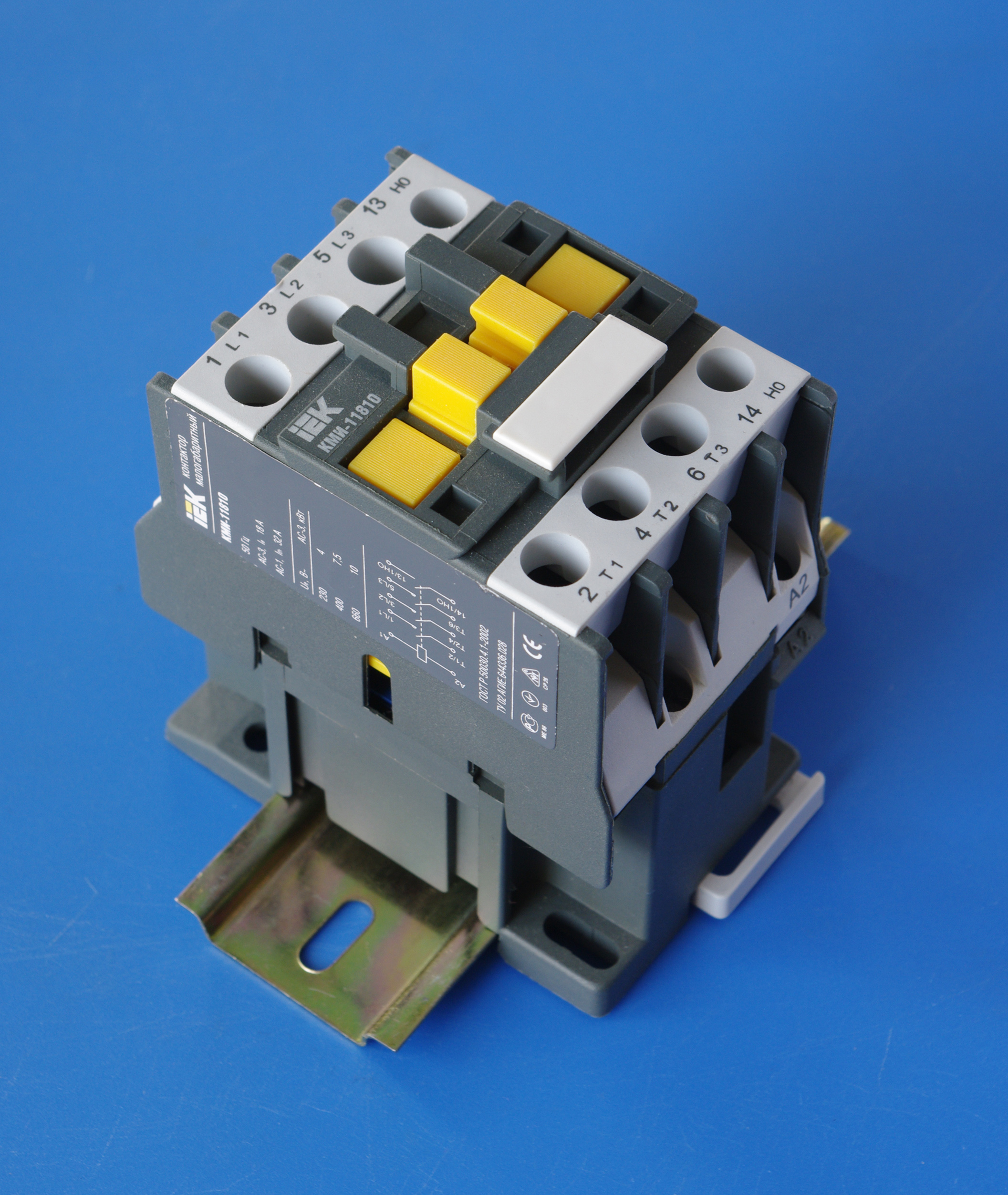 The afternoon thunderstorm rolled off the Atlantic just after 3 p.m., the kind that drops an inch of rain in twenty minutes and leaves the air thick enough to wear. You're standing in the side yard of a condo building on NE 190th Street, sweat already soaking through your shirt, listening to a condenser unit that sounds like a coffee grinder full of gravel. The fan spins, but the compressor won't kick — just a loud *chatter-clack* every few seconds, like a starter motor begging for mercy. You pop the disconnect, pull the access panel, and there it is: the contactor, its silver contacts eaten away into cratered moonscapes, black carbon tracking spiderwebbing across the phenolic base. That chatter isn't noise. It's the sound of electricity trying to jump across gaps that shouldn't exist.
What does a contactor actually do in your AC system?
Think of a contactor like a heavy-duty light switch, but instead of your finger flipping it, a small electromagnet does the work. When your thermostat calls for cooling, 24 volts from the control board energizes that coil, which yanks a set of spring-loaded copper contacts together. This completes the 240-volt circuit that feeds your compressor and condenser fan motor. The contacts are designed to handle 30 to 40 amps of continuous current — about what a large window unit draws — but only when they meet clean and flat across their entire surface area.Why do contacts pit in the first place?
Every time the contactor closes, a tiny arc of electricity jumps the gap before the metal touches. It's microscopic lightning, hot enough to vaporize a speck of copper. Over thousands of cycles — a typical South Florida system might cycle 3,000 to 5,000 times per summer — those specks add up. Salt air from the ocean accelerates the corrosion. High humidity keeps a conductive film on the surfaces. Voltage spikes from afternoon storms or an aging transformer make the arcs hotter. The result: tiny craters where smooth copper used to be, each one increasing resistance and heat for the next cycle.What does pitting look like when you open the panel?
Kill power at the disconnect first — always. Then pull the access panel on the outdoor unit. The contactor sits near the bottom, a rectangular block with two or three sets of contacts visible through a clear plastic cover or open frame. Healthy contacts look like shiny silver coins, flat and uniform. Pitted contacts look like the surface of the moon: dimples, craters, and often a gray-black carbon coating that won't wipe off. You might see one contact worse than its mate, or all three phases eaten evenly. Carbon tracking — dark lines radiating outward across the white phenolic insulator — means electricity has been leaking across the surface, a sure sign the component is living on borrowed time.What sounds and symptoms show up before total failure?
The chatter is the classic sign. That rapid *click-click-click* means the contacts are touching, arcing apart from the magnetic field of the current, then snapping back — dozens of times per second. You might also notice the compressor humming but not starting, or starting then stopping after a few seconds. The condenser fan might run while the compressor stays silent. Inside the house, the air handler blows but the air never gets cold. Your electric bill might creep up because the compressor draws locked-rotor current every time it tries to start against bad contacts. In August heat, that can add $40 to $60 a month in wasted power.Can you clean pitted contacts to buy time?
You can, but it's a band-aid, not a fix. A contact file or fine emery cloth (320 grit or finer) will knock down the high spots and remove carbon. Clean until the copper shines, then blow out the dust with compressed air. But filing removes material, making the contact thinner and the spring pressure lighter. The contactor will close faster next time, arc harder, and pit faster. Most manufacturers specify a minimum contact thickness — usually around 0.060 inch — below which the contactor fails safety certification. In a salt-air environment like Aventura, a cleaned contactor might last a few weeks or a few months. It's not a repair. It's a delay tactic.How does a bad contactor damage the compressor?
This is the expensive part. When contacts pit, resistance rises. The compressor motor sees lower voltage at its terminals — maybe 200 volts instead of 240. To produce the same torque, it draws more current. More current means more heat in the windings. The compressor's internal overload protector will trip eventually, but each trip cycle cooks the insulation a little more. After enough cycles, the insulation fails, windings short, and the compressor is scrap. A $45 contactor can kill a $1,200 compressor. We've seen it happen on Collins Avenue high-rises and single-family homes off Biscayne Boulevard alike.Why does South Florida eat contactors faster than other places?
Three factors stack up here. First, runtime: your AC runs 2,500 to 3,000 hours a year in Aventura, maybe double what a system in Atlanta sees. More cycles means more arcing. Second, the environment: salt aerosol from the ocean carries conductive particles that settle on everything. Third, power quality: summer thunderstorms and an aging grid mean voltage sags and spikes that make every arc hotter. A contactor rated for 100,000 cycles might hit that in three years here. In a dry, mild climate, it could last fifteen.Reading about pitting is one thing — seeing the inspection is better. This step-by-step DIY tutorial from the Deanin' It Yourself channel breaks down what a contactor does, how to identify a bad one, how to test it, and how to replace it safely — the same visual inspection this article describes, shown on real equipment.
The video is a teaching-style walkthrough aimed at homeowners and beginners, not a manufacturer demo: it covers the parts of a contactor, a live demonstration of how it works, how to troubleshoot a failing one, and the safe replacement procedure step by step. Watch it once and the next time your condenser chatters or the compressor won't start, you'll know exactly what to look at.
When should you replace versus clean?
If the pitting is light — shallow dimples you can feel with a fingernail but not see from two feet away — a careful cleaning can buy you a few weeks while you order the replacement. But cleaning is never the fix. If the contacts are deeply cratered, if the metal looks thinned, if carbon tracking crosses the insulator, or if the contactor still chatters after cleaning, replace it. A new contactor typically costs $15 to $45 and takes a careful homeowner about 30 minutes with the power confirmed off. Against a $1,200 compressor, it's the cheapest insurance in your outdoor unit.
When to call us
DIY is great, but some jobs need a pro. If the problem persists, you spot anything dangerous, or you'd rather have an expert handle it, call (786) 664-2155 — Aventura HVAC Maintenance serves Aventura and nearby (Mon-Sat 8AM-8PM). No pressure, no upsells.
Need a professional touch?
Straightforward HVAC service with flat, honest pricing — quoted before any work begins.
No review discounts · no upsells.