Hard Starting: What That Grunt at Startup Means
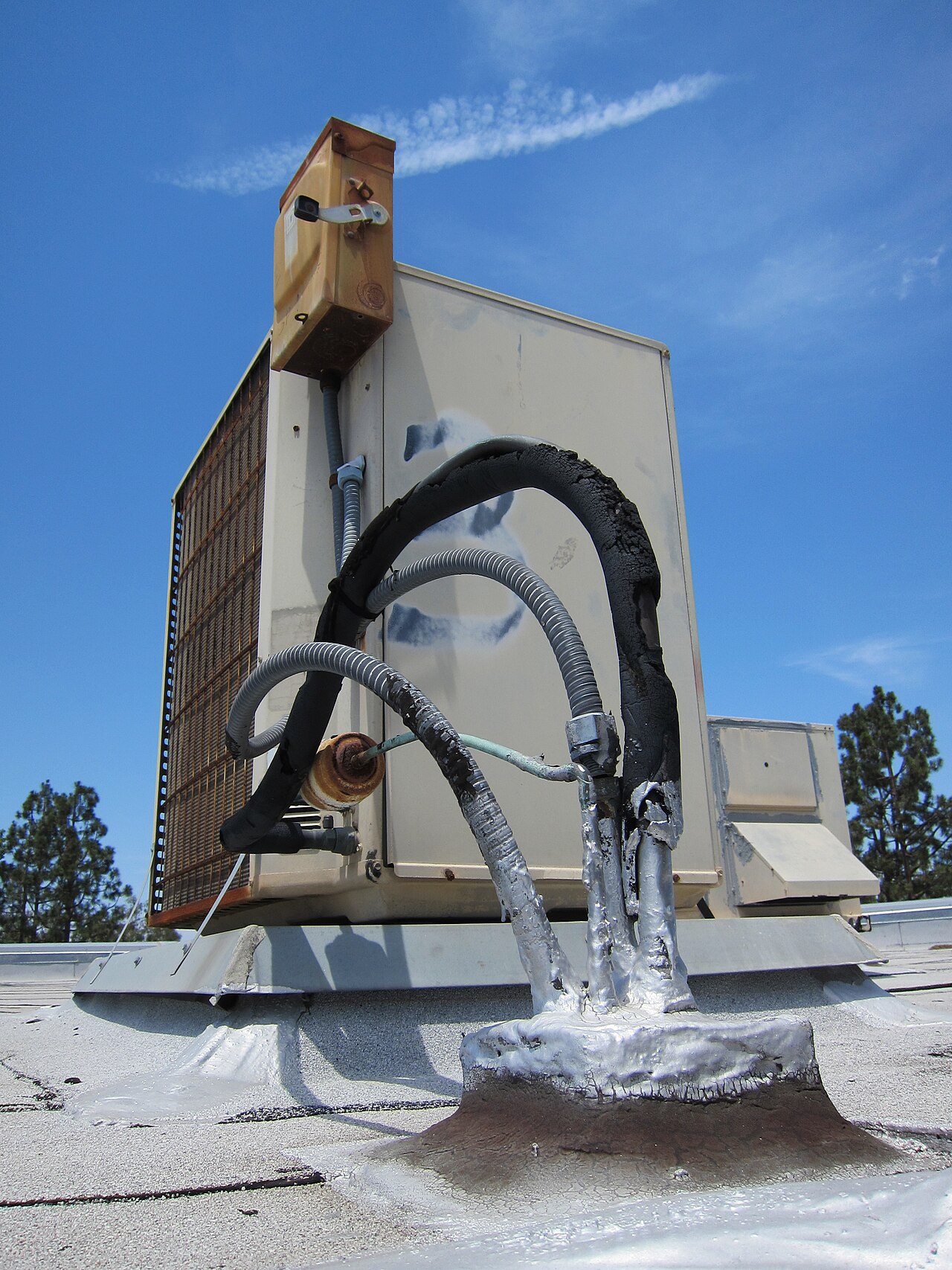
Humidity hangs thick over Biscayne Boulevard by 7 a.m., sticking to your skin before the sun clears the condos. You're in the driveway of a ground-floor unit near Founders Park, coffee in hand, waiting for the condenser to kick on so the bedroom drops below 78. Instead of the usual smooth hum, the unit lets out a low, mechanical grunt — like a heavy door dragging on its hinges — then silence. The fan spins, but the compressor never catches. You try again. Same grunt. Same silence. That sound isn't just annoying. It's the compressor crying for help.
A hard-start grunt means the compressor motor can't overcome head pressure at startup — usually a weak run capacitor, a failed start capacitor, or low charge forcing the compressor to work against higher pressure. A hard-start kit (start capacitor plus potential relay) adds the extra torque needed to break loose, but it only masks the root problem if the charge is low or the compressor is worn.
What does that grunt actually sound like?
Listen for a deep, brief "thrumph" lasting a second or two, then the fan running alone. The compressor tries to start, draws locked-rotor amperage — often 60 to 80 amps on a 3-ton unit — trips the internal overload, and shuts down. You'll hear the contactor click in, the grunt, then the click of the overload opening. The fan keeps spinning because it's on a separate circuit. The discharge line stays cool — no refrigerant is moving.
Why does head pressure fight the compressor at startup?
Think of the refrigerant circuit like a loop of garden hose. When the system sits off, pressures equalize. On a 95-degree afternoon in Aventura, the liquid line and suction line both sit near 295 PSI on R-410A. The compressor has to push against that pressure the instant it starts. A healthy compressor with a strong start capacitor builds torque fast enough. A weak capacitor or worn windings can't. The motor stalls, draws maximum current, and the thermal overload cuts power to protect the windings. That lock-up is the grunt you hear.
How a run capacitor differs from a start capacitor
The run capacitor stays in the circuit the whole time, shifting the phase angle between start and run windings to give the motor continuous torque. A typical 3-ton condenser uses a 45 or 50 microfarad run capacitor rated 370 or 440 volts. The start capacitor only engages for the first 100 to 150 milliseconds — it's larger, often 88 to 127 microfarads, and a potential relay drops it out once the motor reaches about 75 percent speed. A run capacitor drifted 10 percent low makes the compressor run hot and start hard. A start capacitor failed open gives you the grunt with no start at all.
What low refrigerant charge does to startup
When charge drops, the evaporator can't absorb enough heat and suction pressure falls. The compressor pumps against a higher compression ratio — discharge pressure divided by suction pressure. On R-410A, a normal ratio at 95 outdoor and 75 indoor is about 3.5 to 1; drop the charge 20 percent and it climbs toward 5 to 1. It's like starting your car in third gear. The grunt gets louder, the run time shortens because the overload trips faster, and a tech sees higher superheat with lower subcooling on the gauges.
Can a hard-start kit fix it permanently?
A hard-start kit adds a start capacitor and potential relay alongside the run capacitor — roughly 30 to 50 percent more starting torque. For slightly worn bearings or a marginal run capacitor, it can buy months or a couple of years. But if the root cause is low charge, the kit just lets the compressor start against damagingly high compression ratios. Windings overheat. Oil breaks down. The compressor fails sooner. We treat the kit as a diagnostic step, not a cure: if the unit starts with it, we still pressure-test, weigh the charge, and check amp draw under load.
What a technician checks on a hard-start call
First, we kill power at the disconnect and verify zero volts at the contactor. Then we discharge the run capacitor with a bleed resistor — never a screwdriver — and test it with a capacitance meter; a 45 microfarad capacitor reading 38 is weak. Next, we ohm the compressor windings: common to run, common to start, run to start. The two lower readings should add up to the highest — if they don't, there's an open or shorted winding. We meg the windings to ground at 500 volts DC; under 100 megohms means insulation breakdown. Then we restore power, attach gauges, and watch the startup, recording locked-rotor amps, run amps, pressures, superheat, and subcooling. Low charge means finding the leak first — nitrogen test, UV dye, or electronic sniffer — before adding refrigerant. Topping off a known leak is illegal under EPA Section 608 and wastes your money.
Watch a working tech test the same parts that cause hard starting. The video below is a spring A/C inspection on a real straight-cool system: two techs check refrigerant levels, superheat/subcooling, capacitors, amp draws, pressures, the contactor, condensate pump, drain lines, and temperature split. Notice the order — electrical first, then refrigerant, then airflow. That's the same sequence you'd follow on a hard-start call.
It's a maintenance inspection, not a hard-start diagnosis — but every part they test can make a compressor grunt and refuse to start. Watch the capacitor check closest: a weak run capacitor is the most common reason a healthy-looking unit grunts for a second and quits. They explain why charge gets checked before the coil is cleaned, and what proper temperature splits look like. If the capacitor test looks simple, that's because the procedure is — kill power, verify zero volts, discharge, test. The hard part is knowing which reading means "fine" and which means "weak," and that's exactly what this article taught you.
Frequently asked questions
Will a hard-start kit damage my compressor?
The kit itself won't hurt anything — it's a start capacitor and relay that adds torque for the first fraction of a second. The damage comes from what it lets you ignore: low charge, a weak run capacitor, or worn bearings. Run on the kit without fixing the cause and the compressor overheats, the oil breaks down, and you end up buying a compressor instead of a capacitor.
Can I replace a start capacitor myself?
Electrically it's simple — a bracket and two wires. But a capacitor stores a charge that can shock you with the power off, and you must match the microfarad rating and voltage exactly. If you can kill power at the disconnect, verify zero volts, and discharge the old one with a bleed resistor, it's a fair DIY job. If any of that sounds unfamiliar, call a tech. This is a cheap part with a real shock hazard.
When to call us
DIY is great, but some jobs need a pro. If the problem persists, you spot anything dangerous, or you'd rather have an expert handle it, call (786) 664-2155 — Aventura HVAC Maintenance serves Aventura and nearby (Mon-Sat 8AM-8PM). No pressure, no upsells.
Need a professional touch?
Straightforward HVAC service with flat, honest pricing — quoted before any work begins.
No review discounts · no upsells.